Central Dallas Architects
Your Local Central Dallas Architects
As featured in…


About Manolo Design Studio
We believe that designing and building a custom luxury home is an art that thrives on collaboration. Founded by Manolo, AIA, our studio brings together the best of architecture, design, and construction to create spaces that are not only beautiful but also functional and enduring.
Manolo, a registered architect with a Master’s degree in Architecture and Business Administration, founded the studio after more than a decade of experience in high-end residential design and general contracting. From the Park Cities to greater Dallas, he has honed his skills in delivering exceptional homes tailored to the unique needs of each client.
Every project begins with a deep understanding of your vision. As founder and principal, Manolo is personally involved from the first sketch to the final build, ensuring that every detail is thoughtfully crafted. He believes that design is a seamless blend of intention and action, and it is this philosophy that guides the studio’s approach.
What sets Manolo Design Studio apart is our ability to navigate the challenges that inevitably arise in the complex process of building a custom home. With over 10 years of experience as a general contractor, Manolo is uniquely positioned to address problems before they become setbacks. His expertise in both design and construction allows us to offer practical, creative solutions that keep projects on track, on time, and within budget.
But it’s not just about technical expertise. We take pride in creating a collaborative environment where clients feel heard, understood, and supported throughout the process. We’re not just building homes; we’re building lasting relationships. From the initial consultation to the final walk-through, we’re there to guide our clients every step of the way, ensuring the process is as enjoyable and rewarding as the finished product.
Our design philosophy is grounded in five core principles: Context, Standards, Balance, Discipline, and Mastery. These principles shape every aspect of our work, ensuring that each home we design is a reflection of its surroundings, an example of functional beauty, and a true expression of our clients’ aspirations.
We understand that building your dream home is a personal journey, and we’re here to make that journey as smooth and successful as possible. With a focus on exceptional design, quality construction, and an unwavering commitment to client satisfaction, we create spaces that you’ll love for years to come.
Let’s design the home you’ve always envisioned.
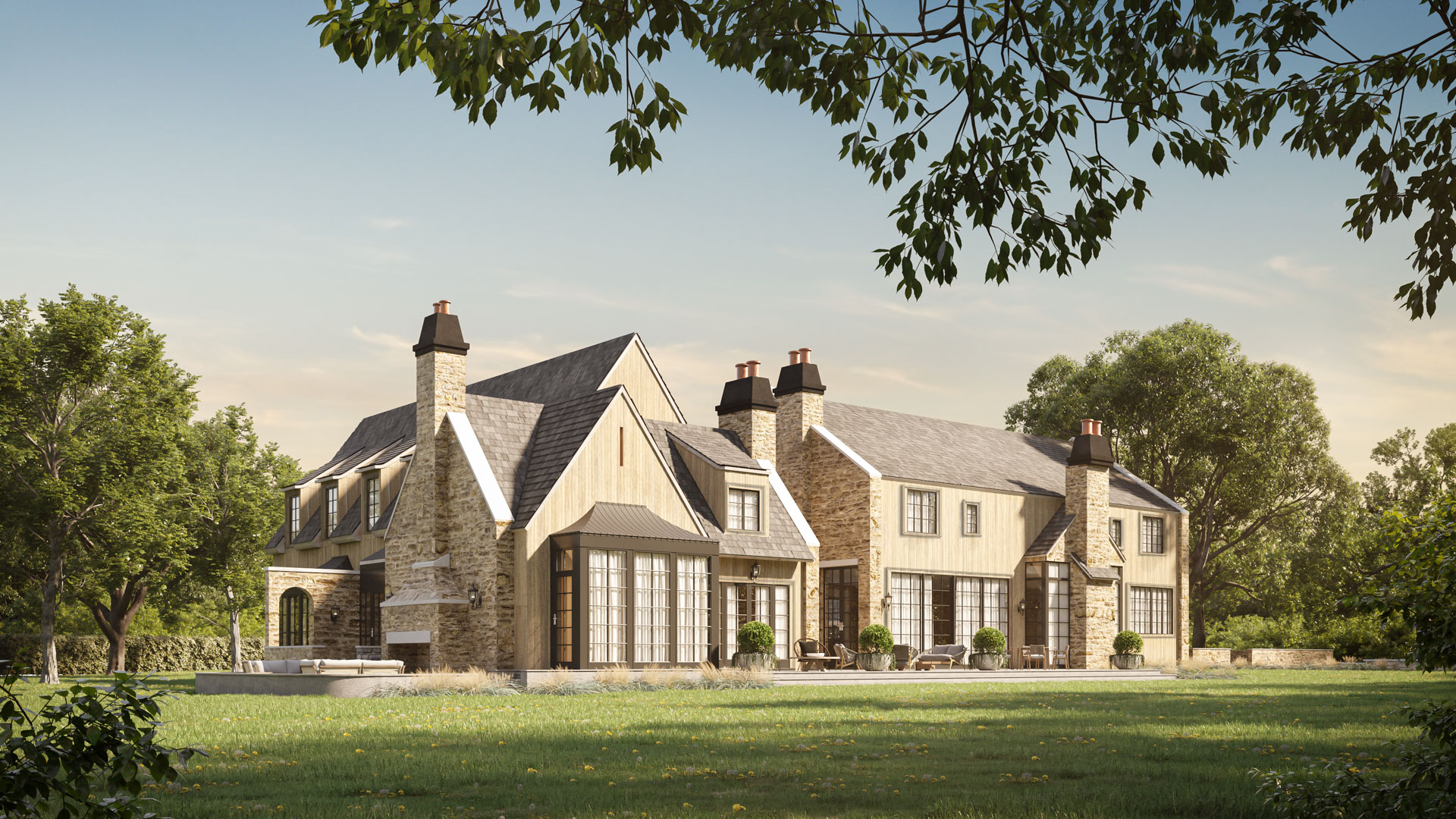
Downtown Dallas Texas
An architect working in Downtown Dallas must understand how to design within dense urban conditions. Narrow lots, active streets, and close neighbouring buildings shape decisions about privacy, natural light, and massing. The goal is to create a home that feels calm inside while fitting confidently into a busy setting.
Documentation is especially important in central districts where construction access and coordination can be challenging. When structural details, window placement, and material transitions are resolved early, the builder can deliver a consistent result even in tight urban conditions.
Uptown Dallas Texas
Uptown Dallas includes a mix of residential buildings, walkable streets, and modern developments. Architects focus on proportion, controlled light, and clear circulation so the home feels balanced despite the density around it. Outdoor areas are shaped for privacy while still offering a connection to the neighbourhood.
Good design in Uptown also depends on disciplined documentation. Window systems, shading, and structural spans must be coordinated with precision. A clear set of drawings helps deliver a refined home that holds its quality within an active urban environment.
Deep Ellum Texas
Deep Ellum has a distinctive character shaped by creative industries and historic structures. An architect designing here studies the surrounding scale, material palette, and rhythm of the neighbourhood. The home should feel rooted in its cultural setting while offering quiet, comfortable interiors.
Renovation and new build work in Deep Ellum often require strong coordination with engineers due to older infrastructure and compact sites. Detailed planning helps manage these constraints and ensures the home is built accurately.
Turtle Creek Texas
Turtle Creek includes tree lined streets, established buildings, and views that influence interior planning. Architects focus on shaping layouts that feel private while still welcoming natural light. The scale of the area encourages refined massing and consistent detailing.
Homes in Turtle Creek benefit from thoughtful landscape integration. Courtyards, patios, and screened areas help manage light and create quiet outdoor spaces. When the architectural and landscape decisions are coordinated early, the home feels settled on its site.
Bishop Arts District Texas
The Bishop Arts District brings together historic homes, small commercial buildings, and active pedestrian streets. Architects design with awareness of this character, shaping homes that feel familiar on the street while still offering modern comfort inside. Proportion, material choice, and roofline consistency are important to maintaining neighbourhood cohesion.
Because sites can be compact, the design often depends on efficient layouts and selective glazing. Clear documentation keeps the construction process steady and helps the home reflect the district’s warm, walkable atmosphere.
Dallas Urban Architecture
Dallas urban architecture strengthens the relationship between buildings, streets, and open space. Architects study massing, views, and circulation to create homes that feel settled within dense neighbourhoods. Interiors rely on controlled light, clear movement, and practical room proportions.
This work also requires strong technical coordination. Structural spans, shading strategies, and mechanical systems must be integrated early to keep the design efficient. When the technical and architectural decisions align, the home performs well and fits naturally into the urban fabric.
Central Dallas Architects
Contact Manolo Design Studio
If you’re ready to bring your vision to life, we’d love to hear from you.
Whether you’re in the early stages of planning or ready to start designing your custom home, Manolo Design Studio is here to guide you through every step of the process.
Reach out today to schedule a consultation, and let’s explore how we can create a space that is as unique and inspiring as you are. Your dream home starts with a conversation—let’s begin.
We review every enquiry and reply within two business days
FAQs
What makes architectural work in Central Dallas unique?
Central Dallas includes dense neighbourhoods, established streets, and a mix of historic and modern buildings. Architects working here study scale, setbacks, and the rhythm of each block. This part of the city expects careful design decisions, clear documentation, and a strong understanding of urban living.
How do architects approach projects near Downtown or Uptown?
Areas close to Downtown and Uptown place value on walkability, views, and efficient use of compact sites. Architects consider privacy, orientation, and circulation so homes feel calm even in an active setting. These neighbourhoods reward designs that are disciplined and well planned.
Are there special considerations when designing in Deep Ellum or Bishop Arts?
These neighbourhoods have a strong cultural identity. The architecture benefits from simple forms, strong materials, and a thoughtful response to the street. The goal is to create a home that feels settled within a lively environment while still offering quiet, private interiors.
How do Central Dallas architects work with tight or irregular lots?
Central Dallas has many narrow or shaped lots, and the design must use every metre efficiently. Architects study daylight, structure, and circulation to create a layout that feels open within a limited footprint. Careful planning keeps the home functional without sacrificing comfort.
What role does landscape design play in dense Dallas neighbourhoods?
Landscape design shapes privacy and softens the transition between the home and the street. Courtyards, plant screens, and shaded outdoor rooms are common strategies. Even small outdoor areas can improve comfort when designed with the climate and surrounding context in mind.
How do architects manage noise and activity near central districts?
Acoustic control begins with the layout. Bedrooms and quiet rooms are placed away from active streets when possible. Materials, window selection, and insulation also play a key role. The aim is to create a home that feels calm inside while remaining connected to the neighbourhood.
Do Central Dallas projects require more detailed permitting or reviews?
Some neighbourhoods near the city centre have additional guidelines or conservation considerations. Architects familiar with these districts prepare drawings that align with local expectations. Early contact with the city helps prevent delays and keeps the process steady.
How do architects design homes that feel private in areas like Turtle Creek?
Turtle Creek and nearby streets often include homes with open views. Privacy is shaped using screened courtyards, layered plantings, and selective window placement. The design controls sightlines while still allowing natural light to move through the home.
What makes strong urban residential architecture in Dallas?
Strong urban architecture balances clarity, proportion, and comfort. It considers the surrounding street, the scale of neighbouring homes, and the quality of light throughout the day. The design must be efficient and thoughtful, reflecting both the density and the character of central Dallas.
Central Dallas Architects
Protecting Neighborhood Identity Through Thoughtful Additions
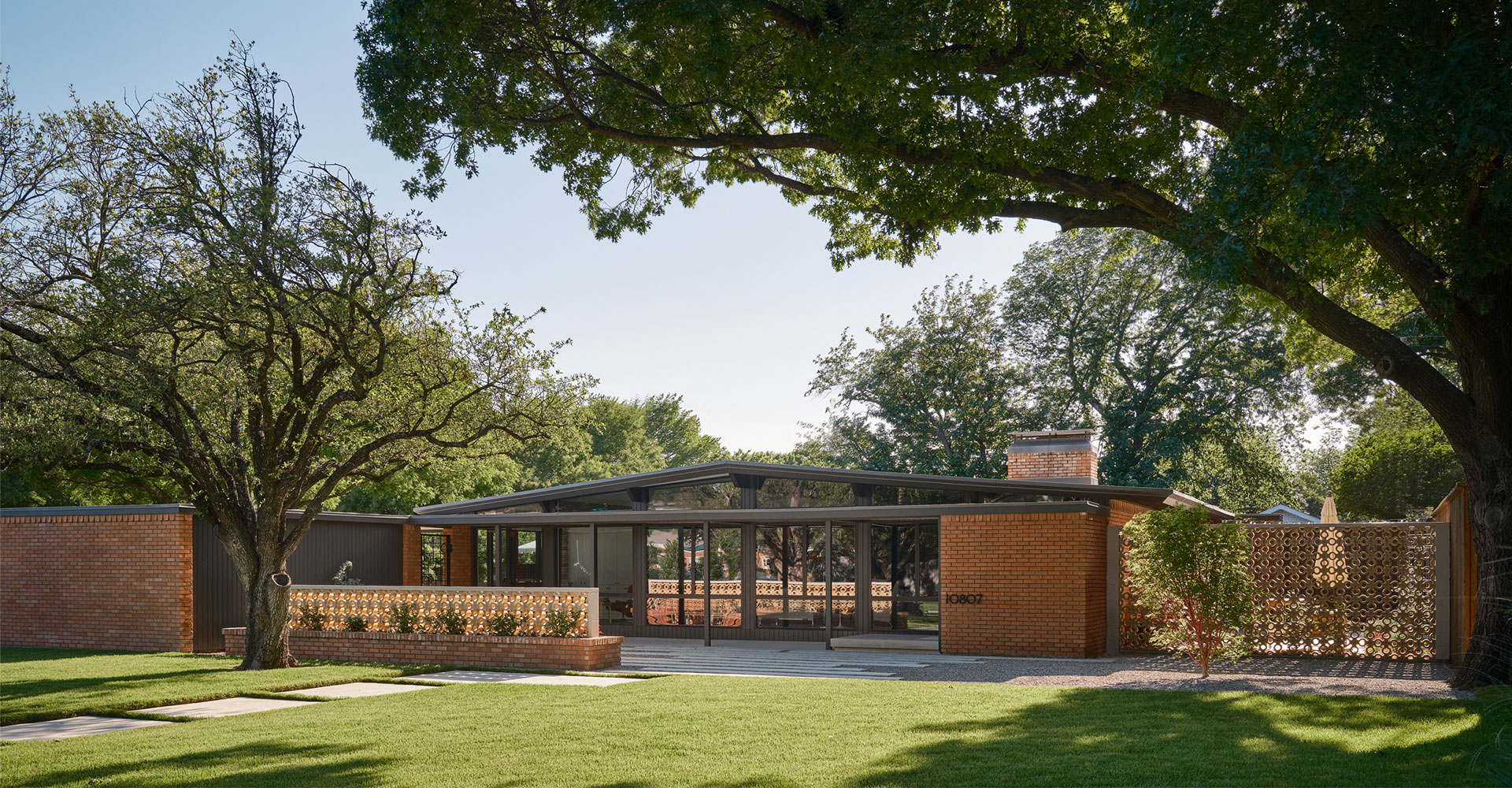
In many communities, the character of a neighborhood is woven into the very fabric of its streets, buildings, and public spaces. Over time, as cities evolve and architectural trends shift, maintaining that distinct identity becomes both a challenge and an opportunity. Thoughtful additions to existing structures—be they extensions, new façades, or interior renovations—offer a way to preserve the historical narrative while embracing modern needs. This approach isn’t about clinging to the past, but rather about creating a respectful dialogue between what has been and what is to come.
Honoring the Legacy of a Community
Neighborhoods carry a unique sense of place that reflects their history, culture, and the people who have called them home. From the period-specific details of early 20th-century row houses to the timeless charm of mid-century modern bungalows, architectural features are tangible expressions of local heritage. When new elements are introduced, they should acknowledge these defining characteristics. For instance, preserving original brickwork, ornate cornices, or period windows in a building’s renovation ensures that the structure remains rooted in its historical context. Rather than replacing these features outright, a well-planned addition can restore and enhance them, reminding residents and visitors alike of the neighborhood’s storied past.
Integrating Modern Design With Historical Context
The challenge for architects and designers today is to blend modern functionality with the aesthetic nuances of the past. New additions should not feel imposed or out of sync; they must be conceived as extensions of the existing design language. This can be achieved by using materials and colors that echo the original structure. For example, if a neighborhood is known for its red brick buildings, a modern addition might incorporate similar brick patterns or complementary hues. Likewise, the choice of window styles, door frames, and even landscaping can be carefully curated to create continuity. By respecting the original scale and proportions, contemporary additions can coexist with older structures, resulting in an architecture that feels both current and timeless.
Sustainable Practices as a Bridge to the Future
Sustainability is a key consideration in modern architecture, and it can play a significant role in protecting neighborhood identity. Upgrading older buildings with energy-efficient systems, sustainable materials, and smart technologies not only improves performance but also signals a commitment to the future. When sustainable elements are integrated thoughtfully, they become part of the narrative rather than a departure from it. For example, replacing outdated windows with modern, energy-efficient alternatives that mimic the original design can enhance comfort while preserving a familiar look. Solar panels can be installed discreetly, and reclaimed or locally sourced materials can be used in new construction, reinforcing a sense of place and local pride.
Creating a Cohesive Community Narrative
Neighborhood identity is not built on isolated structures—it’s the result of a collective architectural conversation. When each building contributes to a harmonious streetscape, the overall character of the neighborhood is strengthened. Thoughtful additions extend beyond individual projects to influence the broader community. Architects and developers who collaborate with local preservationists, municipal authorities, and residents can ensure that new projects respect zoning guidelines, scale, and the historical context. In doing so, they foster a cohesive design narrative that not only protects but also enhances the neighborhood’s identity. A well-designed addition might feature landscaping, signage, or public art that reflects local history, further reinforcing community bonds.
Adaptive Reuse and the Spirit of Innovation
Adaptive reuse is a powerful tool for safeguarding neighborhood identity. When older buildings are repurposed for new uses, they retain the essence of the past while serving contemporary functions. Consider an old warehouse transformed into a mixed-use development with apartments, retail space, and communal areas. By preserving original features such as exposed beams, industrial brick, and large factory windows, the project maintains its historical charm. At the same time, modern interventions like open floor plans, modern amenities, and sustainable technologies can breathe new life into the space. This blend of old and new exemplifies how adaptive reuse can honor the past while meeting the demands of modern urban living.
Balancing Innovation With Restraint
There is a fine line between innovative design and overzealous modernization. In protecting neighborhood identity, restraint is key. Instead of opting for radical, eye-catching designs that could disrupt the familiar landscape, developers can choose subtle interventions that enhance and complement existing structures. Minimalist additions with clean lines, neutral palettes, and carefully selected materials can integrate into a historical context without overwhelming it. The goal is to create enhancements that feel like natural evolutions of the original buildings, rather than stark departures from their established character.
Success Stories in Thoughtful Additions
Across many cities, numerous projects have successfully balanced the old with the new. In one revitalization project in a historic district, an architect restored a century-old townhouse by adding a modern extension that echoed the original brickwork and window proportions. The addition featured energy-efficient systems and sustainable materials, yet its design was carefully tailored to match the scale and rhythm of the surrounding streets. In another example, a community center built in a mid-century neighborhood incorporated a glass atrium that connected indoor and outdoor spaces, allowing natural light to flood the interior. Rather than clashing with the older, more solid construction, the transparent structure created a dialogue between history and progress, reinforcing the community’s identity while offering a fresh perspective.
Community Engagement and the Role of Local Culture
Successful projects that protect neighborhood identity often involve active community engagement. Residents are invaluable sources of local history, aesthetic preferences, and practical insights. When designers work closely with the community, they can capture the spirit of the place and translate it into architectural details that resonate with locals. Public consultations, neighborhood workshops, and collaboration with local historians can all contribute to a project that is not only visually appealing but also meaningful to the people who live there. In this way, each thoughtful addition becomes a communal asset—a symbol of collective memory and forward-looking optimism.
The Future of Neighborhood Identity
As urban environments continue to evolve, the importance of protecting neighborhood identity becomes increasingly apparent. Thoughtful architectural additions serve as bridges between generations, ensuring that new developments honor the past while embracing innovation. This approach fosters a sense of continuity that is essential for community resilience and pride. By prioritizing design that respects historical context, sustainable practices, and community values, contemporary additions can enhance the urban fabric without erasing its legacy.
Protecting neighborhood identity through thoughtful additions is an act of preservation, innovation, and collaboration. It is about acknowledging the rich history embedded in the streets and buildings while paving the way for a vibrant, sustainable future. Each new element, when designed with care and respect, contributes to a narrative that honors tradition and embraces modernity. In doing so, communities not only retain their unique character but also build environments that are adaptable, resilient, and full of life—a living testament to the enduring spirit of a place where every addition tells a story of its own.
Central Dallas Architects
Scaling Up Comfort Without Losing Character
Honoring the Past While Embracing the Present
In many homes and buildings, character is defined by historical details—weathered wood, vintage fixtures, intricate moldings—that tell a story of generations past. However, as families evolve and lifestyles change, there’s an increasing need for spaces that not only exude personality but also offer modern comfort. Scaling up comfort means making a home more functional and inviting for today’s needs, yet doing so without stripping away the features that give it soul. This delicate balance is a design challenge that invites creativity, thoughtful planning, and a deep respect for both heritage and innovation.
Rediscovering Timeless Elements
The first step in creating a more comfortable, modern living space is to rediscover and appreciate the elements that have defined a home’s character over time. Whether it’s original hardwood floors, vintage fireplaces, or detailed trim work, these features are the touchstones of history. Rather than replacing them, designers now seek ways to restore and highlight these details. For example, refinishing old wood surfaces can enhance their natural warmth, while careful restoration of vintage light fixtures preserves a familiar glow that modern LED solutions can mimic. In doing so, the home retains its unique identity even as it adapts to contemporary lifestyles.
Expanding Space and Enhancing Functionality
One of the most common challenges in older homes is limited space. Traditional floor plans often reflect an era when private, compartmentalized rooms were the norm. Modern living, however, tends to favor open, flexible layouts that foster a sense of connection and ease of movement. Scaling up comfort, then, can involve opening up certain areas to create a more fluid and adaptable environment. Removing non-load-bearing walls, for instance, can transform a series of small, isolated rooms into a spacious open-plan living area. This change not only allows natural light to permeate the space but also provides greater flexibility for furniture arrangement and family activities.
Yet, the key to success lies in preserving the home’s character. Even as walls come down, retaining elements like original beams or decorative molding can serve as a nod to the past. The goal is to create continuity—a space that feels expansive yet still tells the story of its origins.
Integrating Modern Comforts Thoughtfully
Modern conveniences have become essential to everyday living. From smart home technologies to energy-efficient windows and updated insulation, these features can dramatically enhance comfort, convenience, and sustainability. However, integrating them into a historically rich environment requires a subtle touch. For instance, consider installing a smart thermostat that discreetly blends into the décor. Rather than opting for bulky, overt systems, seek solutions that offer the benefits of modern technology without drawing attention away from the home’s traditional features.
Upgraded lighting is another area where modern functionality meets timeless charm. Contemporary fixtures, such as recessed LED lights or minimalist pendant lamps, can be strategically placed to highlight architectural details. The result is a layered lighting design that creates both ambiance and practicality. In kitchens and bathrooms, modern cabinetry and appliances can be chosen in finishes that complement original woodwork or period details, ensuring that the new elements enhance rather than overpower the historic aesthetic.
Merging Materials and Textures
A harmonious design often hinges on the way materials and textures interact. In a home with historical character, traditional materials like reclaimed wood, natural stone, and antique metal finishes can serve as a foundation. When scaling up comfort, pairing these with modern materials can create a dynamic interplay that enriches the space. For example, sleek, polished concrete floors can offer durability and a contemporary edge while juxtaposing beautifully with time-worn timber accents. Soft textiles such as linen or wool can add warmth and tactility to modern seating areas, echoing the comfort of traditional upholstery.
This thoughtful mixing of old and new doesn’t mean compromising on quality. Instead, it’s about selecting high-performance, sustainable materials that pay homage to their classic counterparts. The aim is to achieve a design that feels layered and considered—a space where every surface, texture, and finish is chosen with care.
Creating Zones for Family Life
Modern family life demands spaces that can adapt to various functions—areas for work, relaxation, and play need to coexist under one roof. A common strategy is to define distinct zones within an open layout without resorting to heavy, permanent dividers. Instead, designers might use area rugs, furniture arrangements, or even subtle changes in ceiling treatment to delineate spaces. For example, a cozy reading nook can be created in a larger living room by placing a vintage armchair and a soft throw near a restored fireplace, while a more expansive area with open seating can serve as a communal gathering space.
This approach not only maximizes comfort and functionality but also allows the home’s historical elements to shine through. A restored mantle, a piece of original tile work, or a preserved window sill can serve as focal points within each zone, reinforcing the connection to the past even as the overall space feels fresh and open.
Real-World Inspirations and Practical Solutions
Numerous renovation projects offer tangible examples of how to scale up comfort while maintaining character. Consider a historic family home where a full-width bay window was installed to invite more natural light into a formerly dark foyer. The window’s design was inspired by the original architecture, echoing the home’s period features while providing a modern solution to an age-old problem. In another project, an outdated kitchen was transformed by retaining the original, handcrafted cabinetry and mixing it with new, energy-efficient appliances. The result was a space that felt both nostalgic and cutting-edge—practical for today’s lifestyle yet deeply rooted in tradition.
These case studies underscore that the process is not about choosing between the past and the present, but about creating a thoughtful dialogue between them. It’s about finding practical solutions that enhance comfort—through improved layout, better materials, and modern technology—without sacrificing the unique character that makes a home truly one-of-a-kind.
Sustainability as a Continuity Principle
Sustainability plays an increasingly important role in modern renovations. Many of the materials that define a home’s character—solid wood, natural stone, handcrafted ceramics—are inherently sustainable and built to last. Upgrading these elements with modern sustainable practices can further enhance a home’s longevity. For instance, restoring rather than replacing original hardwood floors not only preserves their historical charm but also reduces waste. Similarly, integrating energy-efficient systems ensures that the home remains cost-effective and environmentally responsible. This commitment to sustainability is, in many ways, an extension of the home’s character—a legacy of quality that continues to support future generations.
A Vision for the Future
Scaling up comfort without losing character is ultimately a vision for the future that respects the past. It is a reminder that true design excellence lies in the ability to evolve without erasing what came before. By carefully integrating modern comforts into a historically rich framework, homeowners create spaces that are inviting, functional, and enduring. Every updated element—from expansive windows that flood the rooms with natural light to modern fixtures that offer efficiency—works in concert with preserved details to create a balanced, cohesive whole.
In today’s fast-changing world, the desire for comfort and functionality must be balanced with an appreciation for history and character. Scaling up comfort without losing character is about more than mere renovation; it’s about cultivating an environment where the beauty of the past meets the innovations of the present. By honoring original materials and architectural details while thoughtfully integrating modern upgrades, contemporary families can create homes that serve both as living museums and as vibrant, adaptable spaces for daily life.
This approach ensures that every home remains a living testament to its unique history—where memories and modernity coexist harmoniously, and where comfort is scaled up to meet today’s needs without compromising the timeless character that defines it.