Collin County Architects
Your Local Collin County Architects
As featured in…


About Manolo Design Studio
We believe that designing and building a custom luxury home is an art that thrives on collaboration. Founded by Manolo, AIA, our studio brings together the best of architecture, design, and construction to create spaces that are not only beautiful but also functional and enduring.
Manolo, a registered architect with a Master’s degree in Architecture and Business Administration, founded the studio after more than a decade of experience in high-end residential design and general contracting. From the Park Cities to greater Dallas, he has honed his skills in delivering exceptional homes tailored to the unique needs of each client.
Every project begins with a deep understanding of your vision. As founder and principal, Manolo is personally involved from the first sketch to the final build, ensuring that every detail is thoughtfully crafted. He believes that design is a seamless blend of intention and action, and it is this philosophy that guides the studio’s approach.
What sets Manolo Design Studio apart is our ability to navigate the challenges that inevitably arise in the complex process of building a custom home. With over 10 years of experience as a general contractor, Manolo is uniquely positioned to address problems before they become setbacks. His expertise in both design and construction allows us to offer practical, creative solutions that keep projects on track, on time, and within budget.
But it’s not just about technical expertise. We take pride in creating a collaborative environment where clients feel heard, understood, and supported throughout the process. We’re not just building homes; we’re building lasting relationships. From the initial consultation to the final walk-through, we’re there to guide our clients every step of the way, ensuring the process is as enjoyable and rewarding as the finished product.
Our design philosophy is grounded in five core principles: Context, Standards, Balance, Discipline, and Mastery. These principles shape every aspect of our work, ensuring that each home we design is a reflection of its surroundings, an example of functional beauty, and a true expression of our clients’ aspirations.
We understand that building your dream home is a personal journey, and we’re here to make that journey as smooth and successful as possible. With a focus on exceptional design, quality construction, and an unwavering commitment to client satisfaction, we create spaces that you’ll love for years to come.
Let’s design the home you’ve always envisioned.
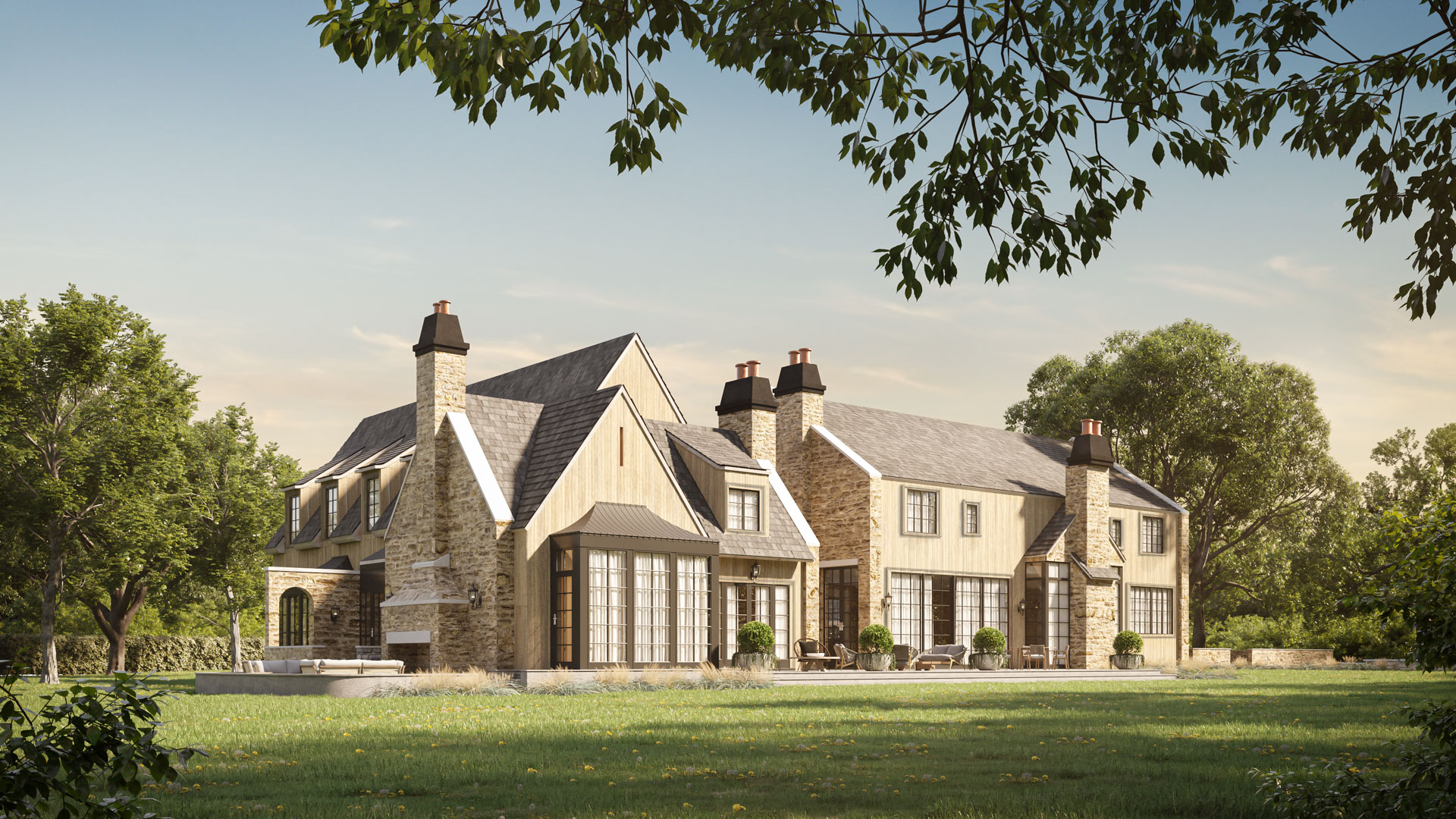
Frisco Texas
An architect working in Frisco shapes homes for neighbourhoods that combine newer developments with open views and active streets. The design process focuses on proportion, controlled light, and layouts that support family life. Homes must handle heat, privacy, and strong sun exposure with clarity.
Frisco projects benefit from clear documentation. Structural spans, mechanical routing, and material transitions are defined early so the builder can follow the design without uncertainty. This creates predictable construction and a home that feels grounded and consistent.
McKinney Texas
McKinney offers a mix of historic areas and newer communities, each with its own scale and expectations. Architects study tree cover, lot shape, and neighbourhood character before shaping the plan. Interiors must feel calm while still supporting modern routines. Natural light and circulation guide many of the early design decisions.
Renovation work in McKinney often requires careful coordination due to older structures. Accurate drawings help builders understand structural needs and connection points. A steady design process protects both the character of the neighbourhood and the performance of the home.
Plano Texas
Plano includes established neighbourhoods where proportion and clarity matter. An architect working in Plano reviews setbacks, rooflines, and landscape patterns before shaping the home. The design supports daily living through balanced room sizes and well controlled natural light. Privacy also plays a key role in lot organisation.
Because many homes in Plano are part of mature developments, coordination with builders is essential. Clear documents reduce guesswork during construction and help maintain the architectural quality expected in the area.
Allen Texas
Architects designing in Allen work across active suburban areas with varied lot sizes and building styles. They focus on shaping homes that feel comfortable, efficient, and suited to family routines. Proportion, structure, and natural light guide the early stages of design.
Allen projects benefit from strong documentation as many neighbourhoods include review processes or design guidelines. When details are resolved early, the builder can complete the work with consistency. This keeps the project on schedule and protects the overall design intent.
North Texas residential architect
A North Texas residential architect works across a range of climates and neighbourhood types. Their design approach focuses on shading, thermal comfort, and strong indoor and outdoor connections. Homes must remain comfortable during long summers and perform well throughout the year.
These architects also lead coordination with engineers and builders to manage soil conditions, heat gain, and structural requirements. Documentation clarifies these decisions and supports reliable construction. This level of organisation is essential for homes that aim for long term durability.
Collin County home design
Collin County home design begins with a study of the site, including orientation, landscape features, and local context. Architects shape layouts that feel open yet private, with a clear flow between rooms. Natural light plays a major role in how the spaces are arranged.
The design also prioritises durability and performance. Rooflines, mechanical systems, and material choices are coordinated early. When these decisions are documented thoroughly, the builder can deliver a home that matches the intended quality and fits comfortably within Collin County neighbourhoods.
Collin County Architects
Contact Manolo Design Studio
If you’re ready to bring your vision to life, we’d love to hear from you.
Whether you’re in the early stages of planning or ready to start designing your custom home, Manolo Design Studio is here to guide you through every step of the process.
Reach out today to schedule a consultation, and let’s explore how we can create a space that is as unique and inspiring as you are. Your dream home starts with a conversation—let’s begin.
We review every enquiry and reply within two business days
FAQs
What makes Collin County a distinct setting for residential architecture?
Collin County has a mix of new developments, established neighbourhoods, and open land. Architects study the character of each area and shape homes that feel grounded in their setting. Collin County home design often blends spacious layouts with careful control of light and orientation.
How do architects approach projects in Frisco or McKinney?
Frisco and McKinney include growing communities with a wide range of lot sizes. Architects review neighbourhood guidelines, orientation, and privacy before shaping the plan. The goal is a home that supports daily life, manages light well, and sits comfortably among surrounding houses.
Are there design differences between Plano and Allen?
Plano has more established neighbourhoods compared to some areas of Allen, which include newer subdivisions. Architects adjust their approach based on lot constraints, setbacks, and the existing architectural context. Both areas benefit from clear planning and disciplined proportion.
How do architects manage sun exposure in Collin County homes?
Orientation drives many early decisions. Large windows are placed where they bring in steady light without overheating the interior. Shading, deep rooflines, and selective glazing improve comfort. This allows the home to stay bright and balanced throughout the day.
What should homeowners expect at the start of a project with a North Texas residential architect?
The architect reviews the site’s shape, soil conditions, and local guidelines. This leads to concept studies and later detailed drawings. The process stays structured so the builder can follow the information without confusion. Clear communication is essential from the beginning.
How do architects keep Collin County homes efficient for family living?
They remove unnecessary circulation, use simple alignments, and shape rooms around daily routines. Outdoor areas are positioned where they provide shade and privacy. These decisions help families move comfortably through the home while keeping maintenance reasonable.
Why is documentation important in Collin County residential work?
Many neighbourhoods have defined expectations around materials and scale. Detailed drawings prevent misunderstandings during construction. Clear information helps builders price the work accurately and complete it in a predictable way.
Can contemporary or modern styles fit within Collin County neighbourhoods?
Yes. Modern and contemporary designs can work well when the massing and materials respect the surrounding context. Architects focus on proportion, simple forms, and controlled detailing so the home feels settled rather than out of place.
How do architects shape outdoor living spaces in Collin County?
Outdoor rooms are designed to manage heat and take advantage of prevailing breezes. Shaded patios, screened areas, and modest courtyards all support daily living. These spaces extend the function of the interior and improve comfort throughout the year.
Collin County Architects
The Architecture That Defines a Neighborhood With History at Its Core
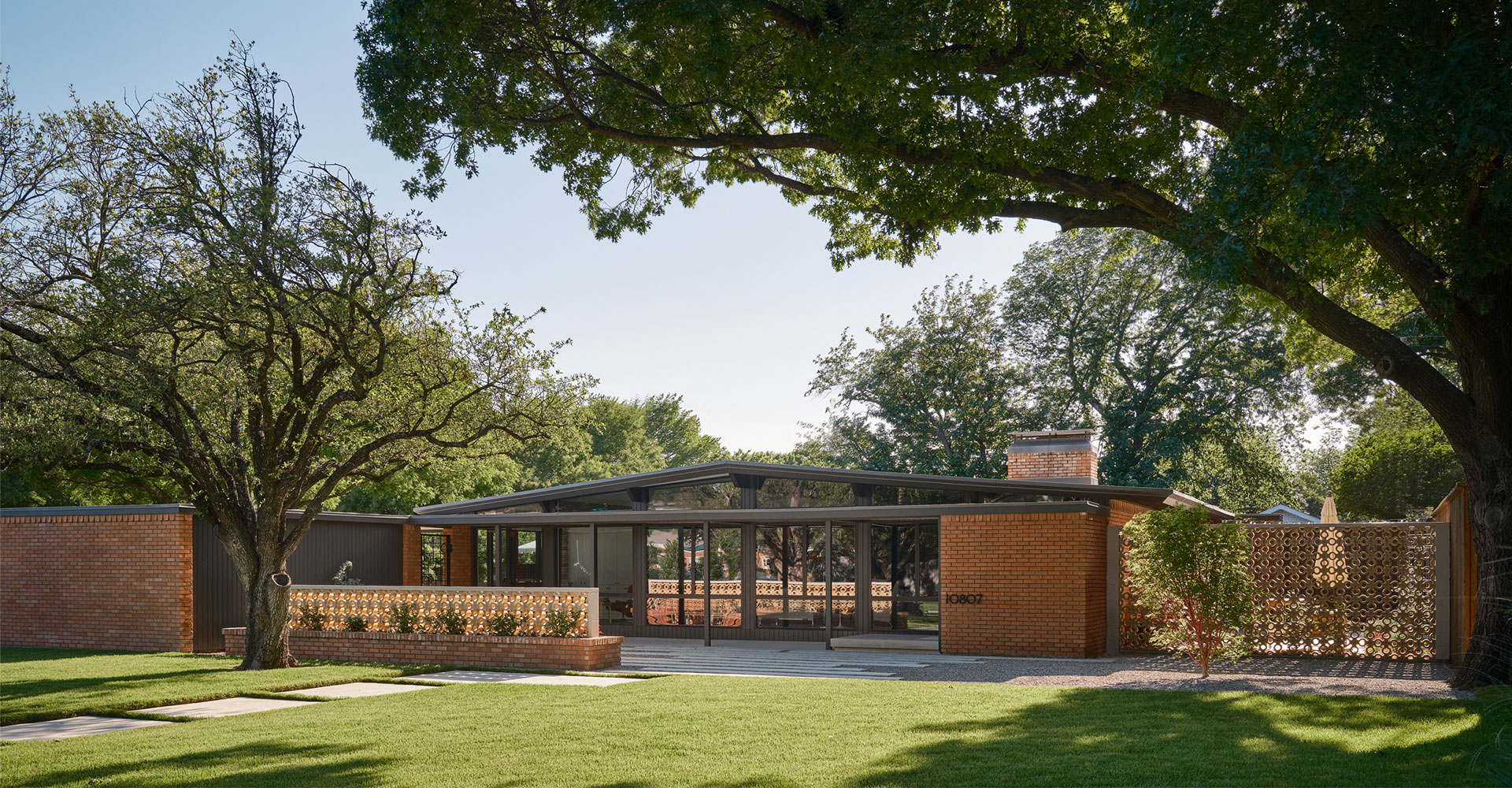
In some regions, it seems like growth happens without much thought—developers chasing trends, filling every bit of space they can. But some places are built around something deeper: a shared vision, a sense of values, and the belief that architecture means more than just putting a roof over your head. The Park Cities area of Dallas is one of those rare places.
In Highland Park and University Park, the way homes are built is central to the neighborhood’s identity. The houses don’t just sit on lots—they belong there. The streets aren’t just streets—they’re part of a bigger story, one of thoughtful planning, enduring beauty, and design that stands the test of time.
So, what makes Park Cities stand out? Why, more than a century after it was established, does it still serve as a benchmark for timeless home design? The answer lies in the principles that shaped it, the traditions that keep it rooted, and the thoughtful ways it continues to evolve.
Where It All Began
To understand Park Cities architecture, you have to understand its beginnings. While other parts of Dallas grew organically, Highland Park and University Park were meticulously planned. In the early 1900s, John S. Armstrong and George Kessler weren’t just laying out infrastructure—they were creating a vision. They imagined a neighborhood where homes worked in harmony with their surroundings and contributed to a greater aesthetic whole.
They planned wide streets, required homes to be set back, and encouraged architectural styles with timeless appeal. The idea was bold for its time: build homes that wouldn’t just stand—but last.
Classic Design Roots
Walk the streets of Park Cities and you’ll see homes that look like they’ve always been there. That’s no accident. The area’s look has remained steady, favoring traditional styles that age gracefully and still function beautifully in modern life.
From Georgian Revival to Neoclassical estates, the homes reflect classical architecture principles:
- Symmetry and proportion for balance and harmony.
- Durable exteriors made of brick, limestone, or stucco.
- Detailed woodwork and stately entrances that show craftsmanship and elegance.
These weren’t homes designed to impress for a decade. They were designed to look beautiful for a century or more.
Spanish and Mediterranean Influence
By the 1920s and 1930s, as Dallas became more connected nationally, Mediterranean and Spanish Revival styles found a home in Park Cities. These styles brought warmth and charm, with signature elements like:
- Stucco exteriors and red tile roofs.
- Arched windows and ornamental ironwork.
- Shaded courtyards and colorful tilework.
Even with their softer edges and romantic flair, these homes stayed true to the neighborhood’s focus on quality materials and skilled construction.
The Lasting Appeal of Tudor Revival
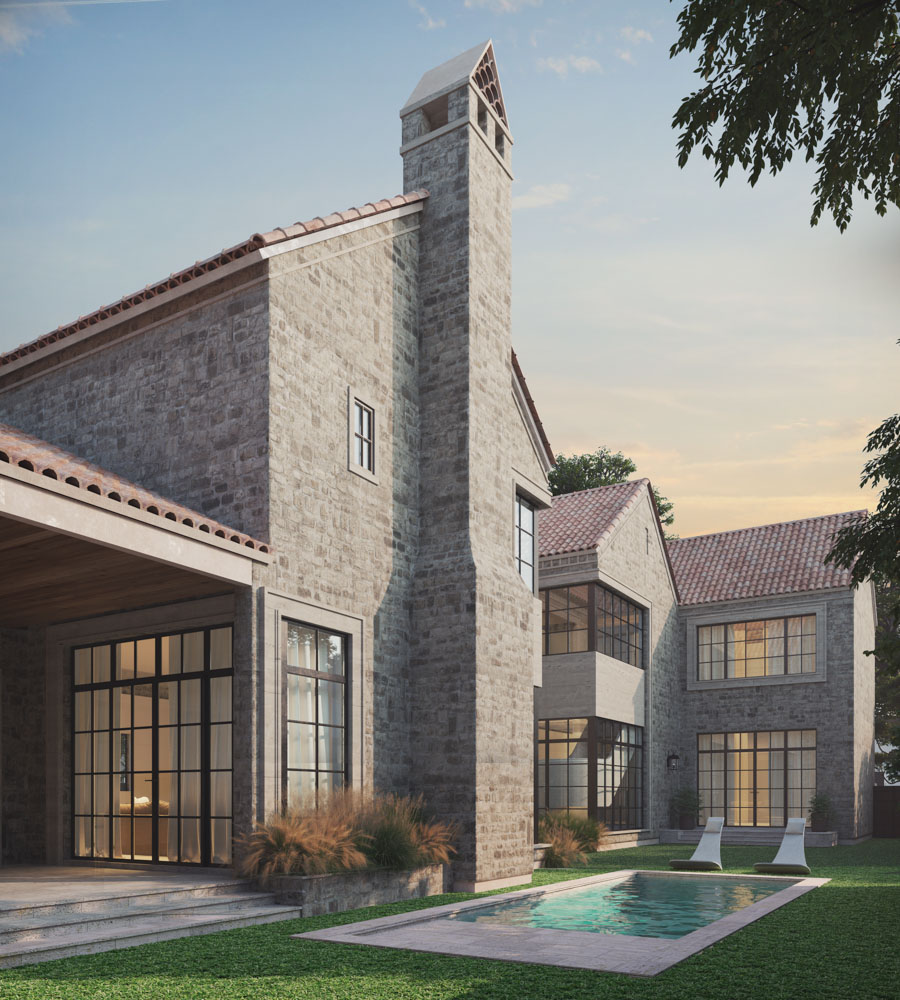
If there’s a signature look for Highland Park or University Park, it’s Tudor Revival. These homes—with steep gables, leaded-glass windows, and exposed wood beams—feel historic and personal at the same time.
They’re not just dressed-up replicas. Many feature hand-laid brick, real timber framing, and thoughtful design. These are homes that speak not just to an era, but to the care of those who built and maintain them.
Rules That Preserve Character
Great neighborhoods don’t stay great by chance. It takes planning and shared values. Park Cities has long understood that architecture isn’t just personal—it’s collective. The community has set rules to preserve that shared vision.
Zoning and Setback Regulations
- Setbacks keep homes from crowding the street, maintaining openness.
- Lot coverage limits prevent oversized homes from dominating their lots.
- Height restrictions protect the neighborhood’s cohesive look and scale.
These rules make sure that even when homes are updated or rebuilt, they still respect the feel of the street and the neighborhood as a whole.
Architectural Review Boards
Beyond zoning, architectural review boards in both Highland Park and University Park help ensure that new construction and renovations stay in step with the area’s character. The goal isn’t to stop change—it’s to guide it. The boards support homeowners in making thoughtful choices that contribute to the overall vision, rather than disrupt it.
Balancing Progress with Tradition
No neighborhood thrives by standing still. Park Cities continues to grow—but it grows with intention. That’s why its architectural integrity remains intact even as new homes are built and old ones are updated.
Modern Homes with Classic Roots
In many places, a modern house can feel jarring. But in Park Cities, the best modern homes draw from the same principles that shaped their traditional neighbors. They use:
- Clean lines paired with rich, honest materials.
- Large windows designed with classic proportions in mind.
- Open interiors that serve today’s lifestyles without compromising the home’s character.
Restoration Over Replacement
Another reason Park Cities feels so cohesive? Homeowners often choose to restore, not demolish. It’s common to see a classic home thoughtfully expanded or modernized—without losing its original charm.
- Original materials are preserved wherever possible.
- Upgrades respect the home’s historic bones.
- Energy efficiency is improved in ways that maintain the home’s integrity.
The result is a neighborhood that evolves—but never loses its sense of self.
A Lasting Legacy
Some neighborhoods are built for the moment. Park Cities was built to last. Its streets tell a story of care, creativity, and community. The homes aren’t just for today’s families—they’re made to welcome future generations, too.
And that’s what makes Park Cities different. While other neighborhoods follow fads or reinvent themselves every decade, Park Cities stands strong as a benchmark for enduring design, craftsmanship, and architectural excellence.
Because truly great neighborhoods aren’t built overnight. They’re built on history—and shaped with purpose.
Collin County Architects
How Homes Built for Elegance and Permanence Shape a Lasting Legacy
Some homes are built just to function. Others are built to last. What separates the two isn’t just materials or craftsmanship—it’s the mindset behind them.
In today’s fast-paced world, buildings often go up quickly, with little regard for what comes next. But in certain places, building is still seen as a kind of art. A home isn’t just four walls and a roof—it’s a reflection of values: tradition, quality, and timeless beauty. In neighborhoods like Park Cities, Bluffview, and Preston Hollow, these aren’t just homes. They’re anchors. They help shape the identity of the area, set a high bar for what good design means, and tell a story long after the original owners have moved on.
So what does it take to create a home that’s both beautiful and lasting? And why do these homes matter so much to the communities around them?
What Makes a House Last?
A house that stands the test of time isn’t just built well—it stays relevant, feels right, and remains meaningful for generations.
Why Good Design Matters
- Homes that age well often share similar qualities: thoughtful balance, strong proportions, and a natural sense of order.
- Symmetry and scale give a sense of calm and permanence.
- Simple but strong exteriors show quiet confidence.
- Details like moldings, columns, and arches don’t just add decoration—they complete the design.
Homes built with these principles don’t go out of style. They just make sense. They feel like they belong—because they do.
Choosing Materials That Get Better with Age
- Natural materials like stone, brick, and plaster develop warmth and character over time.
- Slate and copper roofing can last for decades and only become more beautiful as they age.
- Handcrafted wood and ironwork reveal a level of care machines simply can’t replicate.
These materials aren’t chosen just for strength. They’re chosen because they have something to say—and they only speak louder with time.
Why Beauty Is More Than Just Looks
Beauty in a home isn’t about flash. It’s about thoughtfulness, restraint, and balance.
The Value of Careful Planning
- A well-placed window can make more impact than an entire wall of glass.
- A thoughtfully designed entryway sets the tone for the entire house.
- A few quality materials, used well, are more luxurious than dozens of expensive ones used poorly.
Knowing what not to include is just as important as knowing what to add. That’s the difference between a home that turns heads for a moment and one that continues to matter for decades.
Interiors That Stand the Test of Time
- Rooms that are right-sized and inviting—not just large for the sake of it.
- Natural light that welcomes rather than overwhelms.
- Floorplans that transition smoothly from public to private space.
Good homes don’t need to be reinvented for every new owner. They adapt. They just work.
How These Houses Create a Lasting Impact
When a house is built with care and longevity in mind, it doesn’t just serve one family. It shapes the whole neighborhood—and becomes part of a shared story.
How Houses Define a Neighborhood
In places like Park Cities, Greenway Parks, and Lakewood, certain homes become icons—not because they’re huge, but because they were built with vision.
- These homes set the tone for the street and guide future development.
- They preserve neighborhood character and keep haphazard design at bay.
- And when they last, they elevate everything around them.
Houses That Families Treasure
A home that’s passed down through generations has to offer more than just space. It needs heart. It needs history.
- It should evolve as the family does, without losing its soul.
- It should be flexible enough for new generations to call it home.
- And it should have a personality that can’t be duplicated.
The most beloved homes in Park Cities weren’t replaced every 20 years. They were updated, maintained, and respected—because they mattered.
Setting a High Building Standard
Longevity is more than a single home. It’s a mindset that shapes the future of an entire neighborhood.
- The choices we make today will define tomorrow’s streetscape.
- The quality of today’s build determines whether it’s treasured or torn down later.
- Materials that age well preserve beauty. Cheap substitutes don’t.
The most enduring neighborhoods are the ones that commit to doing it right—today and always.
A Legacy in Architecture
A great house is more than a structure. It’s a marker of thoughtful design, enduring materials, and quiet confidence.
It doesn’t fade into the background—but it doesn’t scream for attention either. It feels permanent. It feels right.
Park Cities and other cherished Dallas neighborhoods didn’t become timeless by accident. They became timeless because they were built with purpose—with a belief that homes should last, inspire, and represent something meaningful. It’s a belief that still guides the best architecture today.
Because while a house is just a building, a home built for beauty and permanence becomes part of something greater. It becomes part of history.