Residential Architects
Your Local Dallas Architects
As featured in…


About Manolo Design Studio
We believe that designing and building a custom luxury home is an art that thrives on collaboration. Founded by Manolo, AIA, our studio brings together the best of architecture, design, and construction to create spaces that are not only beautiful but also functional and enduring.
Manolo, a registered architect with a Master’s degree in Architecture and Business Administration, founded the studio after more than a decade of experience in high-end residential design and general contracting. From the Park Cities to greater Dallas, he has honed his skills in delivering exceptional homes tailored to the unique needs of each client.
Every project begins with a deep understanding of your vision. As founder and principal, Manolo is personally involved from the first sketch to the final build, ensuring that every detail is thoughtfully crafted. He believes that design is a seamless blend of intention and action, and it is this philosophy that guides the studio’s approach.
What sets Manolo Design Studio apart is our ability to navigate the challenges that inevitably arise in the complex process of building a custom home. With over 10 years of experience as a general contractor, Manolo is uniquely positioned to address problems before they become setbacks. His expertise in both design and construction allows us to offer practical, creative solutions that keep projects on track, on time, and within budget.
But it’s not just about technical expertise. We take pride in creating a collaborative environment where clients feel heard, understood, and supported throughout the process. We’re not just building homes; we’re building lasting relationships. From the initial consultation to the final walk-through, we’re there to guide our clients every step of the way, ensuring the process is as enjoyable and rewarding as the finished product.
Our design philosophy is grounded in five core principles: Context, Standards, Balance, Discipline, and Mastery. These principles shape every aspect of our work, ensuring that each home we design is a reflection of its surroundings, an example of functional beauty, and a true expression of our clients’ aspirations.
We understand that building your dream home is a personal journey, and we’re here to make that journey as smooth and successful as possible. With a focus on exceptional design, quality construction, and an unwavering commitment to client satisfaction, we create spaces that you’ll love for years to come.
Let’s design the home you’ve always envisioned.
Residential Architecture Services
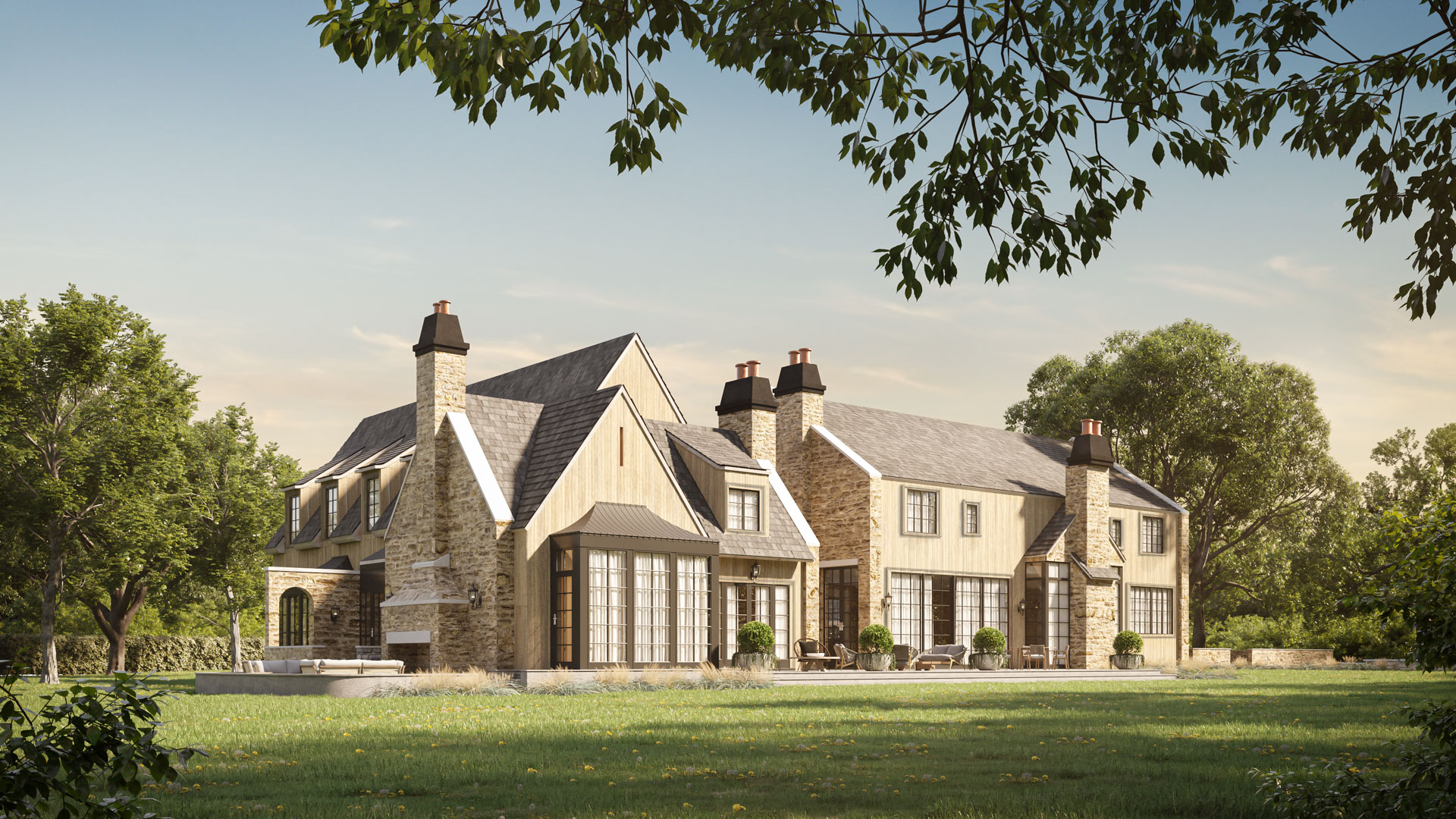
Residential architecture services cover the full path from early concepts to complete construction documents. The work begins with a study of your site and daily routines, followed by clear planning, proportion, and circulation. The goal is to shape rooms that feel balanced, comfortable, and responsive to the way you live. Strong coordination with engineers and builders ensures the design is executed with accuracy.
A residential architecture service also includes guidance throughout each stage. This means reviewing materials, refining room layouts, and documenting every decision. Steady communication keeps the project predictable. A well managed process prevents confusion on site and protects the quality of the final home. These services give homeowners confidence that every detail supports long term comfort.
Dallas Residential Architects
Dallas residential architects understand the local climate, varied neighbourhood patterns, and construction standards of the region. Their work focuses on shaping layouts that manage heat, bring in balanced natural light, and handle privacy on close-set lots. The architecture must sit confidently on the street while supporting quiet, comfortable interiors. Clear proportion and simple massing remain central to the design.
Working with Dallas residential architects also means gaining access to accurate documentation and strong local coordination. Builders rely on detailed drawings to complete the home without delays. Good architects lead this process, resolving structural and mechanical decisions early. The result is a home that performs well in the Dallas climate and feels grounded in its surroundings.
Residential Design Architects
Residential design architects shape homes through a disciplined understanding of proportion, structure, and daily use. Their work begins with a simple question: how should the house function for the people who live in it. From there, they organise rooms, circulation, and light so the home feels calm and intentional. Each design choice supports comfort and clarity.
These architects also translate ideas into detailed documents that guide construction. A well prepared set of drawings reduces uncertainty for builders and protects the quality of the work. When the design is coordinated early and documented fully, the home is easier to build and performs better over time. This approach defines strong residential design.
Custom Home Architect
A custom home architect begins with your priorities and shapes a design that fits your routines, preferences, and site conditions. The plan is developed from the ground up rather than adapted from a template. Each room, opening, and circulation route is studied for proportion and comfort. The layout is built to support the way you intend to live.
Custom home architects also manage the technical side of the project. They coordinate engineers, guide material choices, and prepare detailed drawings that define each part of the build. This level of structure protects both budget and schedule. When the work is documented clearly, the contractor can complete the home with accuracy and confidence.
Home Design Dallas
Home design in Dallas focuses on managing light, heat, and privacy within neighbourhoods that vary widely in style and density. Architects study the orientation of the lot, the views, and the surrounding homes before shaping the layout. The design must support daily living while responding to the local climate. Materials and structure are selected for durability and comfort.
A well considered home design in Dallas also includes clear transitions between indoor and outdoor spaces. Covered patios, screened areas, and deep rooflines help regulate temperature and extend daily use of the home. Thoughtful planning and strong documentation guide the builder through construction and help maintain the intended quality.
Residential Architects Dallas Texas
Residential architects in Dallas Texas approach each project with a clear understanding of local zoning, soil conditions, and the demands of the Texas climate. They study orientation, light, and circulation to create homes that remain comfortable throughout the year. Their focus is on proportion and function rather than decorative gestures, which results in homes that age well.
These architects also guide clients through the technical steps that define a successful residential project. Structural coordination, mechanical planning, and detailed documentation all play a role. When handled carefully, the process reduces risk for the homeowner and keeps construction steady. A clear design, supported by accurate drawings, produces consistent results across Dallas Texas.
Residential Architects
Contact Manolo Design Studio
If you’re ready to bring your vision to life, we’d love to hear from you.
Whether you’re in the early stages of planning or ready to start designing your custom home, Manolo Design Studio is here to guide you through every step of the process.
Reach out today to schedule a consultation, and let’s explore how we can create a space that is as unique and inspiring as you are. Your dream home starts with a conversation—let’s begin.
We review every enquiry and reply within two business days
FAQs
What does a residential architect do for a homeowner?
A residential architect guides the entire design process for a custom home or renovation. The work includes understanding how you live, shaping the plan around daily routines, and developing drawings that contractors can follow without confusion. The goal is a house that fits your life, solves practical needs, and feels considered in every corner.
How early should a homeowner bring a residential architect into a project?
Engage an architect as soon as you decide to build or renovate. Early involvement avoids problems with zoning, layout decisions, and structural assumptions. It also prevents changes later that increase cost or slow the contractor. Good preparation sets the rhythm for the entire project.
What information does a residential architect need at the first meeting?
Bring a clear outline of your priorities, any site information you have, and a rough idea of your budget. Photographs of spaces you like help the architect understand your preferences. Early clarity allows the design team to shape a plan that fits both your goals and practical limits.
How does a residential architect help control cost during design?
An experienced team prevents cost issues by working within known standards, structural rules, and typical construction methods. Prices rise when drawings leave too much open to interpretation. Detailed documents reduce guesswork on site and keep the contractor aligned with the intended scope.
What is the difference between a designer and a residential architect?
A residential architect is trained to handle structure, code requirements, and technical drawings that contractors rely on. Designers contribute to finishes and interiors, but they do not usually prepare construction documents or coordinate engineering. A strong project often uses both, with the architect setting the framework.
How long does a typical residential design process take?
Most homes need several months of design time. The timeline depends on the size of the house, the number of decisions required, and the level of detail expected. Good design avoids rushed choices and builds a complete set of information before construction begins.
Why is documentation important in residential architecture?
Clear drawings protect the homeowner. They reduce the chance of errors, delays, and last minute revisions. When the architect documents the plan with precision, the contractor knows exactly what to build, and you avoid costly misunderstandings during construction.
How do residential architects approach natural light?
Light shapes the mood of a house, so architects study orientation, window placement, and the way each room is used throughout the day. The design aims to bring in light without overheating the home or creating glare. Balanced light improves comfort and helps rooms feel settled.
What makes a residential architect a good fit for a homeowner?
Look for a team that listens carefully, communicates clearly, and delivers work with consistent discipline. You should feel guided, not overwhelmed. A good fit is a studio that respects budgets, understands construction, and approaches design with both creativity and technical focus.
Residential Architects
Updating an Old Home With Imagination and Light
A New Beginning
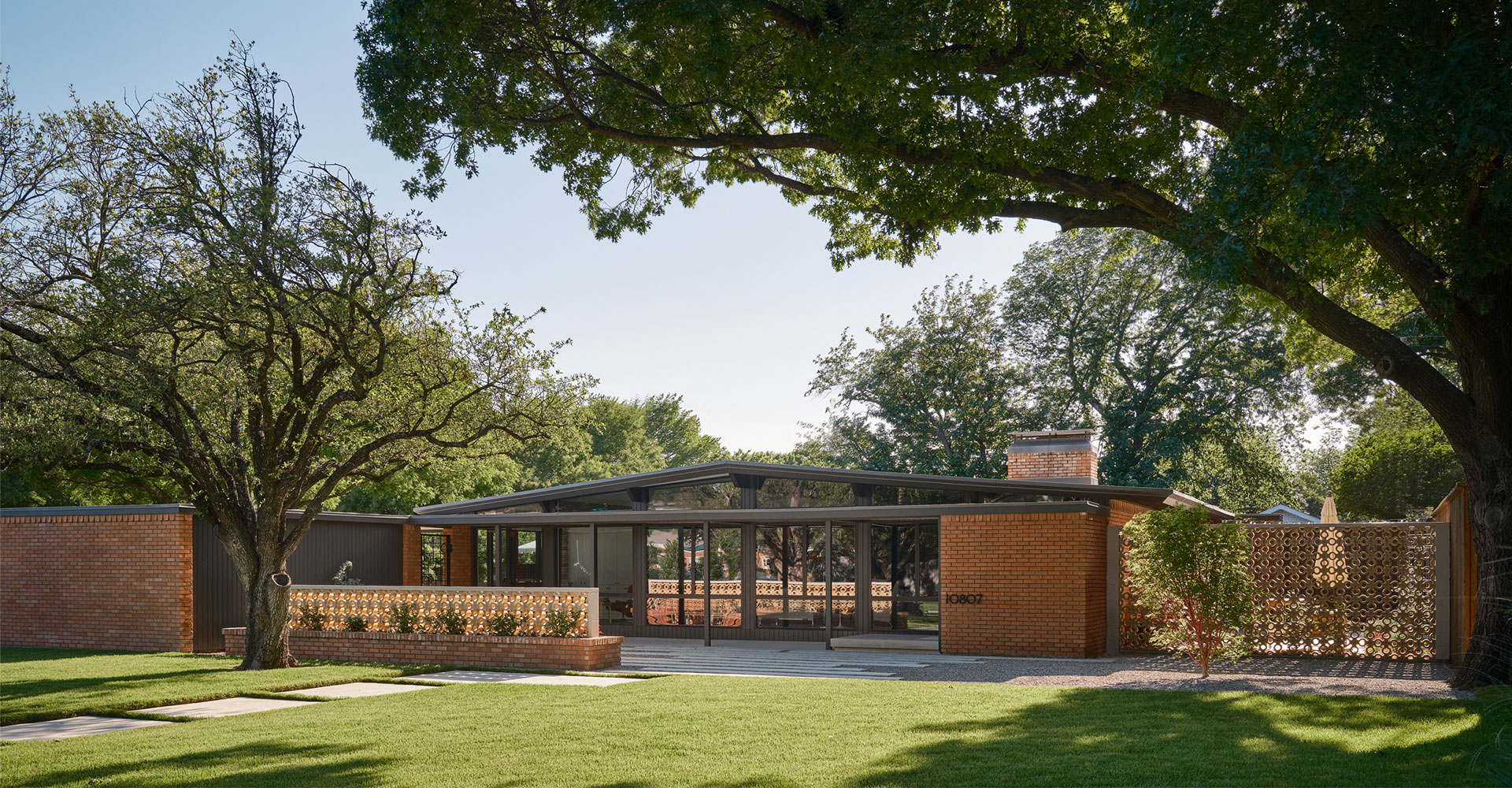
Old homes carry a quiet dignity—a testimony to the craftsmanship and character of bygone eras. Yet, as treasured as these residences are, many come with aging features and layouts that no longer suit modern lifestyles. With a thoughtful update, creativity, and a focus on natural light, an old home can be transformed into a vibrant, welcoming sanctuary that respects its past while embracing contemporary comforts.
Rediscovering the Home’s Soul
Rather than concealing the history of an aged property, the first step is to rediscover and celebrate its original soul. Every weathered beam, intricate molding, and vintage fixture tells a story. Instead of replacing these elements outright, careful restoration techniques can highlight their beauty. For example, refinishing original hardwood floors preserves the warmth and patina of years gone by, while a gentle cleaning of antique windows can reveal the craftsmanship beneath layers of time. This approach creates a foundation on which modern updates can be thoughtfully layered.
Enhancing Natural Light
Many older homes were designed in an era before expansive glass and open layouts, resulting in rooms that can feel dim and enclosed. Increasing natural light is one of the most transformative updates you can make. In areas where structural constraints allow, enlarging windows or adding transom windows can flood interior spaces with sunlight. A light, neutral color palette—whites, soft grays, or pastels—on walls and ceilings helps to reflect this natural light, making spaces feel larger and more inviting. By emphasizing light, you not only create an airy environment but also honor the home’s intrinsic connection to the outdoors.
Modern Upgrades That Honor Tradition
Updating an old home does not mean erasing its character. Modern technology and design solutions can be integrated in ways that respect traditional details. Energy-efficient windows can replace dated ones, improving thermal performance while keeping the original style intact. Smart lighting systems, such as LED fixtures, can be installed to accentuate architectural features without overwhelming the aesthetic. In kitchens and bathrooms, replacing obsolete fixtures with streamlined, contemporary options can enhance functionality. The trick is to select upgrades that blend seamlessly with vintage details—using finishes and hardware that echo the original design rather than clash with it.
Reconfiguring Spaces for Contemporary Living
Older homes were often built with compartmentalized rooms and rigid layouts that reflect the social habits of their time. Modern lifestyles, however, demand flexibility and connectivity. Opening up closed-off areas can create a more fluid, adaptable living environment. For instance, removing non-structural walls to merge a formal dining room with a cozy living area can foster a sense of openness and togetherness. Alternatively, reimagining an enclosed entryway as a bright, welcoming foyer or a multi-purpose space for work and relaxation can dramatically change how the home functions. The key is to preserve the elements that define the home’s character—such as original trim or distinctive windows—while reconfiguring spaces to better suit contemporary needs.
Infusing Color, Texture, and Art
Updating an old home is also an opportunity to explore a layered approach to design. Modern pieces can coexist harmoniously with vintage details. A contemporary sofa in neutral tones can be paired with an antique coffee table salvaged from a local market, creating an inviting interplay between old and new. Accent walls painted in bold hues or adorned with textured wallpaper can serve as focal points, drawing attention to preserved architectural features like ornate moldings or unique fireplaces. Art and décor that reflect local culture or personal history can further deepen the sense of place, turning each room into a canvas where memories and modernity converge.
Revitalizing Outdoor Areas
Outdoor spaces are an extension of the home and offer additional opportunities for creative updates. Many older homes boast charming porches, gardens, or courtyards that once served as gathering spots for family and neighbors. Revitalizing these areas can enhance the overall living experience. Consider installing comfortable, weather-resistant outdoor furniture that invites relaxation. Ambient outdoor lighting—such as subtle LED fixtures along pathways or under eaves—can extend the usability of the space into the evening hours. Adding elements like a small herb garden, a water feature, or even an outdoor kitchen can further enrich the outdoor experience, creating a seamless transition between indoor comfort and the natural environment.
A Living Testament to Continuity and Creativity
The process of updating an old home is as much an emotional journey as it is a physical renovation. Every careful update—from expanding windows to reconfiguring a cramped floor plan—brings with it a renewed sense of pride and connection to the past. Homeowners often find that reawakening a property’s latent potential not only improves its functionality but also deepens its character. By blending imaginative updates with reverence for historical details, the home becomes a living testament to the evolution of design—a place where continuity and creativity meet.
Updating an old home with imagination and light is about crafting a dialogue between eras. It is an opportunity to honor the architectural legacy embedded in weathered wood, vintage fixtures, and timeworn textures while welcoming the innovations that make modern living more comfortable and sustainable. This thoughtful process transforms an aging property into a sanctuary where history is celebrated, and contemporary needs are met with grace and functionality.
Ultimately, the journey of revitalization is one of discovery. It involves seeing the potential in every corner of the home, from sunlit rooms that once felt cramped to outdoor spaces waiting to be rediscovered. By thoughtfully blending restoration with modern upgrades, an old home becomes more than just a structure—it becomes a reflection of the past, a celebration of the present, and a promise for the future. In this balance of preservation and progress, every ray of natural light, every carefully chosen modern detail, and every reconfigured space contributes to a story of transformation that is both enduring and inspiring.
Residential Architects
Making Space in a Vintage Cottage
Vintage cottages hold a special allure—quiet, storied homes that exude warmth and character. Their timeworn details and intimate layouts create a sense of nostalgia and comfort. Yet, as beloved as these dwellings are, many vintage cottages were built in eras when space was at a premium. Today’s families, with evolving lifestyles and changing needs, often face the challenge of making these cozy spaces work for modern living. The art of making space in a vintage cottage is about honoring its historic charm while introducing thoughtful design strategies that expand and refresh the interior.
The Allure of the Vintage Cottage
There is a magic to vintage cottages that transcends mere bricks and mortar. These homes tell stories of generations past, showcasing original features like beamed ceilings, built-in cabinetry, and quaint nooks that invite quiet moments of reflection. The character found in aged woodwork, uneven floorboards, and small windows speaks to an era where every detail was carefully considered. For many, the appeal of a vintage cottage lies not only in its aesthetics but also in the sense of home it creates—a cozy refuge that offers solace from the hustle and bustle of modern life.
However, what makes a vintage cottage so charming can also present design challenges. The very elements that create its character—low ceilings, narrow hallways, and compartmentalized rooms—may hinder the flow and functionality that contemporary living often demands. Homeowners might love the quaintness of their cottage but yearn for a more open, versatile space that suits today’s lifestyle.
The Challenge of Limited Space
Vintage cottages were typically designed for smaller households and simpler times. As a result, these homes often feature closed-off rooms, small entryways, and layouts that reflect a bygone era of more rigid spatial divisions. While these characteristics add to the cottage’s historic charm, they can also feel constraining when modern needs call for flexibility, natural light, and connectivity between spaces.
One of the biggest challenges is reconciling the desire for open, airy spaces with the cottage’s inherent intimacy. Many cottages come with built-in features that once served a practical purpose—think window seats, nooks for storage, or even low-slung doorways that create a feeling of enclosure. Over time, these details can contribute to a sense of clutter or congestion, making it difficult to envision a space that is both functional and true to its original spirit.
Rethinking the Layout for Modern Living
Addressing these challenges requires a delicate balance of preservation and innovation. The first step is to analyze which elements of the cottage are non-negotiable—those original details that define its character—and which aspects can be adapted to enhance the space. For instance, removing non-structural walls or reconfiguring room boundaries can open up the layout without erasing the home’s unique identity. Creating visual continuity by linking rooms with a consistent color palette or cohesive flooring can further smooth the transition between spaces.
This initial rethinking sets the stage for a renovation that embraces modern functionality while respecting the timeless charm of a vintage cottage. Thoughtful changes, such as enlarging windows or reassigning built-in nooks as storage hubs, can create an environment that is both practical and inviting. Homeowners are beginning to see that a vintage cottage, with a few smart design interventions, can be transformed into a spacious retreat that meets the demands of today’s lifestyle without sacrificing its historical soul.
Integrating Modern Enhancements
Once the layout has been rethought, the next step is to introduce modern enhancements that work in harmony with the cottage’s character. Upgrading lighting, for example, can transform small, dark corners into inviting spaces. Installing energy-efficient LED fixtures or even adding subtle accent lighting along built-in shelves can highlight architectural details while brightening the overall space. Equally important is updating the kitchen and bathroom fixtures. Modern faucets, streamlined cabinetry, and contemporary tiling can provide increased functionality and ease of maintenance without compromising the warm, timeworn charm of the cottage.
Another practical enhancement is incorporating smart storage solutions. Vintage cottages often feature built-in nooks or window seats that originally served a specific purpose. Today, these areas can be reimagined as custom storage units or mini workspaces. By reassigning these spaces to serve modern needs—such as integrated shelving, hidden cabinets, or even small home offices—homeowners can reduce clutter and create a sense of order in a limited space.
Case Studies and Real-Life Applications
Several renovation projects have successfully tackled the challenge of making space in a vintage cottage while retaining its historic appeal. In one suburban project, the owners reconfigured a narrow hallway by opening up a wall that separated the kitchen from the living area. They maintained the original window seat, but repurposed it as a reading nook with built-in shelving and a small bench. This change not only created an airy, open-plan feel but also preserved a cherished original element.
Another example comes from a coastal cottage where outdated fixtures and partitioned rooms were hindering a relaxed lifestyle. The renovation involved knocking down a non-structural wall to merge the dining area with a sunlit kitchen. Large, energy-efficient windows replaced smaller, dated ones to let in more natural light. The project also featured custom storage solutions under the staircase and within a repurposed alcove, ensuring that modern conveniences were woven into the fabric of the home without erasing its vintage soul.
The Emotional Impact and Future Outlook
Renovating a vintage cottage isn’t solely about physical changes; it also transforms how residents experience their home. A well-planned update can convert cramped, enclosed spaces into an open, flexible environment that feels both comfortable and personal. Homeowners often describe this transformation as a breath of fresh air—a sense of rediscovering the beauty and potential of a home that has stood for decades.
By preserving the historical essence while integrating contemporary updates, these projects create a living space that evolves with its inhabitants. The emotional value of maintaining a connection to the past is balanced by the benefits of modern functionality and design. This blend is especially appealing in today’s market, where there is a growing appreciation for homes that tell a story and yet offer the conveniences of modern living.
Making space in a vintage cottage is an exercise in balancing preservation with progress. It involves respecting the home’s inherent charm—its weathered wood, intimate nooks, and storied history—while reimagining its layout and features for today’s lifestyle. Through thoughtful renovations that integrate modern lighting, smart storage, and open-plan solutions, vintage cottages can be transformed into spaces that are both functional and full of character.
Ultimately, the process is about creating a home that honors its past while confidently stepping into the future—a sanctuary that remains true to its history, yet is fully equipped for the needs of modern living.