Modern Home Dallas
Your Local Dallas Architects
As featured in…


About Manolo Design Studio
We believe that designing and building a custom luxury home is an art that thrives on collaboration. Founded by Manolo, AIA, our studio brings together the best of architecture, design, and construction to create spaces that are not only beautiful but also functional and enduring.
Manolo, a registered architect with a Master’s degree in Architecture and Business Administration, founded the studio after more than a decade of experience in high-end residential design and general contracting. From the Park Cities to greater Dallas, he has honed his skills in delivering exceptional homes tailored to the unique needs of each client.
Every project begins with a deep understanding of your vision. As founder and principal, Manolo is personally involved from the first sketch to the final build, ensuring that every detail is thoughtfully crafted. He believes that design is a seamless blend of intention and action, and it is this philosophy that guides the studio’s approach.
What sets Manolo Design Studio apart is our ability to navigate the challenges that inevitably arise in the complex process of building a custom home. With over 10 years of experience as a general contractor, Manolo is uniquely positioned to address problems before they become setbacks. His expertise in both design and construction allows us to offer practical, creative solutions that keep projects on track, on time, and within budget.
But it’s not just about technical expertise. We take pride in creating a collaborative environment where clients feel heard, understood, and supported throughout the process. We’re not just building homes; we’re building lasting relationships. From the initial consultation to the final walk-through, we’re there to guide our clients every step of the way, ensuring the process is as enjoyable and rewarding as the finished product.
Our design philosophy is grounded in five core principles: Context, Standards, Balance, Discipline, and Mastery. These principles shape every aspect of our work, ensuring that each home we design is a reflection of its surroundings, an example of functional beauty, and a true expression of our clients’ aspirations.
We understand that building your dream home is a personal journey, and we’re here to make that journey as smooth and successful as possible. With a focus on exceptional design, quality construction, and an unwavering commitment to client satisfaction, we create spaces that you’ll love for years to come.
Let’s design the home you’ve always envisioned.
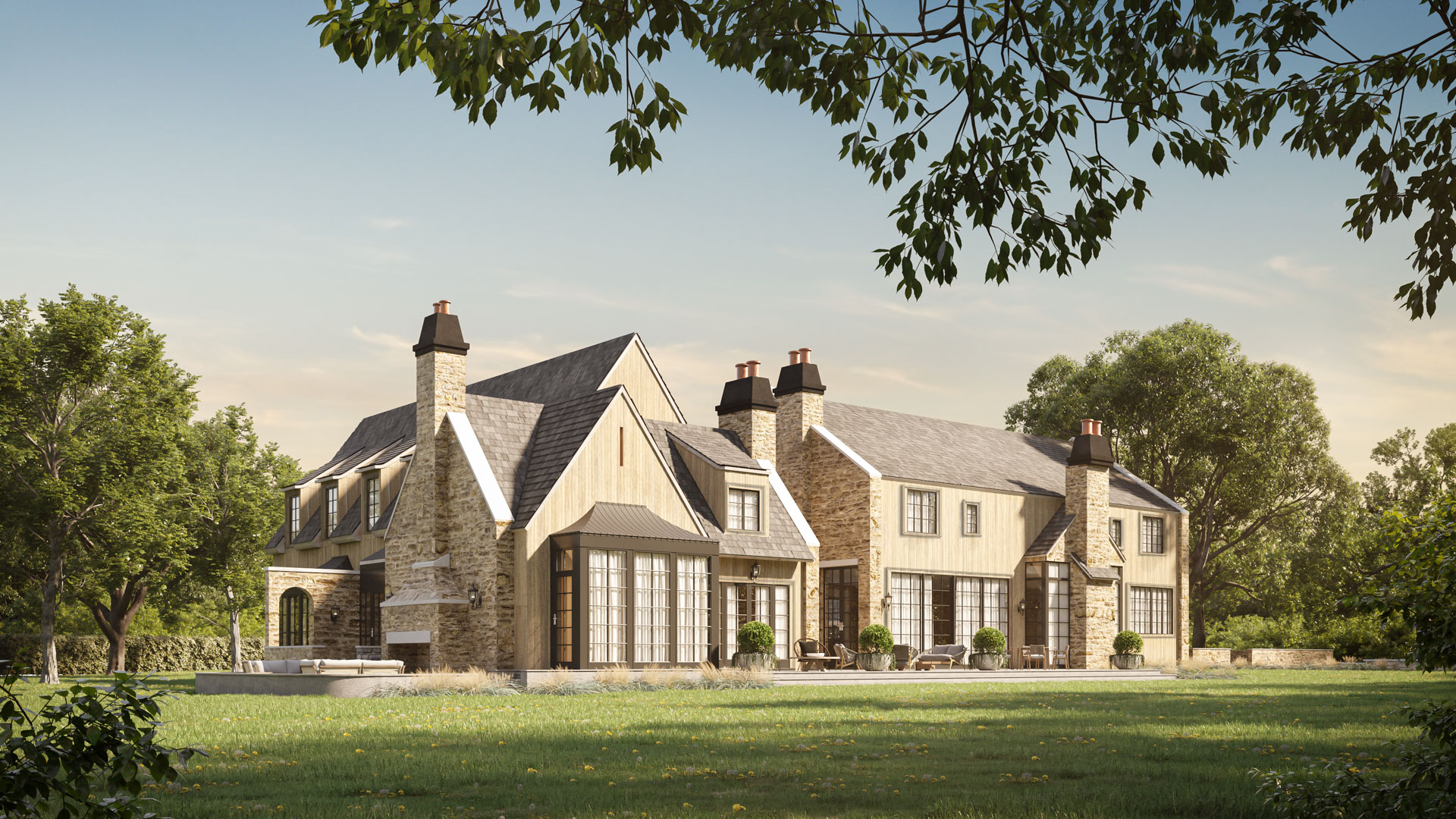
Modern House Dallas
A modern house in Dallas relies on clean geometry, open interiors, and strong natural light. Architects study orientation, privacy, and the surrounding neighbourhood to create a layout that feels calm and intentional. The design responds to the local climate with shading, controlled glazing, and materials that age well in heat and intense sun.
Modern houses in Dallas also benefit from strong indoor and outdoor relationships. Covered patios, protected courtyards, and deep rooflines support year round living. Clear documentation and disciplined detailing help builders maintain the quality expected in modern residential work. The result is a home that feels balanced and efficient.
Modern Residential Architects
Modern residential architects study the relationship between structure, light, and movement. Their work focuses on simple, disciplined forms that support clear living patterns. They organise each room around natural light and proportion, shaping layouts that feel open but grounded. The architecture avoids unnecessary detail so the house remains calm.
These architects also prepare precise documents that define structural spans, window placement, and material transitions. Modern design appears simple, but that simplicity depends on careful coordination. When the drawings are accurate, the home is easier to build and the final result aligns closely with the intent.
Modern Architecture Firms
Modern architecture firms focus on clarity, performance, and strong technical coordination. Their work blends proportion, structure, and a disciplined approach to materials. The design process moves from early studies into detailed documentation so each element of the home is understood before construction begins.
These firms also manage the technical demands of modern work. They coordinate structural requirements, glazing performance, and mechanical systems. This ensures the home feels bright and efficient throughout the year. A strong firm combines design skill with a steady, organised process.
Modern Architects Dallas
Modern architects in Dallas understand how to shape homes for a climate that includes strong sun and shifting temperatures. They use shading, controlled openings, and efficient layouts to support comfort. The design must suit the neighbourhood while still expressing a clean modern character.
Their work also depends on accurate documentation. Builders rely on clear drawings to handle spans, window walls, and the detailed connections that define modern architecture. When the architect leads this coordination, the final home reflects the intended design with consistency and precision.
Modern House Architect
A modern house architect begins with a close review of how you live and how the site behaves throughout the day. The design responds to orientation, privacy, and light. The architect shapes clean rooms, strong alignment, and a layout that supports comfort. The work depends on proportion and steady planning.
The architect also leads coordination with engineers and builders. Modern homes often have long spans and larger openings, so the structure must be designed with precision. Clear drawings protect the integrity of the design and allow construction to proceed without unnecessary adjustments.
Modern Homes In Dallas Texas
Modern homes in Dallas Texas focus on clarity and comfort. Architects use simple forms, efficient circulation, and well placed windows to shape rooms that feel bright without being exposed. The plan must handle both daily routines and moments of gathering. Proportion and structure guide each decision so the home feels organised.
These homes also respond directly to the Texas climate. Rooflines, shading, and controlled openings reduce heat gain and help maintain comfort. Materials are selected for durability and low maintenance. A modern home built on these principles feels timeless and practical, with a steady architectural character.
Modern Home Dallas
Contact Manolo Design Studio
If you’re ready to bring your vision to life, we’d love to hear from you.
Whether you’re in the early stages of planning or ready to start designing your custom home, Manolo Design Studio is here to guide you through every step of the process.
Reach out today to schedule a consultation, and let’s explore how we can create a space that is as unique and inspiring as you are. Your dream home starts with a conversation—let’s begin.
We review every enquiry and reply within two business days
FAQs
What defines a modern home in Dallas?
A modern home in Dallas focuses on clean geometry, open interiors, and a strong relationship between light and structure. Materials are chosen for clarity and durability, and the plan removes unnecessary elements. The design aims for a calm, efficient layout that suits the climate and the way people live today.
Why are so many Dallas homeowners choosing modern design?
Modern design creates flexible rooms, strong indoor and outdoor connections, and practical layouts that work well for families. The style suits the Texas climate with deep overhangs, controlled light, and energy conscious detailing. Many homeowners also prefer the quiet visual character of modern spaces.
How does a modern home respond to the Dallas climate?
Designers study orientation, shading, airflow, and glazing. Large windows are placed where they bring in balanced light without overheating the interior. Materials are selected for temperature control and long term performance. This creates a home that stays comfortable throughout the year with fewer energy demands.
What structural considerations are important in modern homes?
Modern homes often use longer spans, larger openings, and cleaner rooflines. This requires careful coordination between architect and engineer. Clear structure supports the open layouts that define modern living. Early collaboration ensures the design remains both practical and refined.
Can a modern home work on a narrow Dallas lot?
Yes. Modern design adapts well to constrained sites because it relies on simple forms, efficient circulation, and controlled views. Light courts, clerestory windows, and clear vertical connections help bring light into tighter footprints. The result can feel spacious even when the lot is limited.
How do architects balance privacy and openness in modern homes?
The approach depends on orientation and neighbouring structures. Architects use screened courtyards, high windows, and layered landscaping to protect privacy while keeping interiors bright. Open rooms are placed where views are controlled. Private areas sit deeper in the plan.
What materials work best for a modern home in Dallas?
Dallas builders rely on materials that age well in heat and strong sunlight. Stone, brick, metal, and high quality stucco are common choices. Wood is used selectively to add warmth. The goal is a simple palette that feels grounded and holds its quality over time.
How long does it take to design a modern home?
A careful design process may take several months. The timeline depends on the level of detail, the size of the home, and the number of decisions required. Modern design often appears simple, but the detailing behind it demands clear coordination before construction begins.
What sets a well designed modern home apart from a basic contemporary build?
A well designed modern home shows discipline in proportion, alignment, and detail. The forms relate to each other with clarity, and the plan supports daily life without wasted space. Lighting, structure, and materials are integrated rather than applied as decoration. The result feels intentional from every angle.
Modern Home Dallas
The Quiet Discipline of Modern Residential Architecture
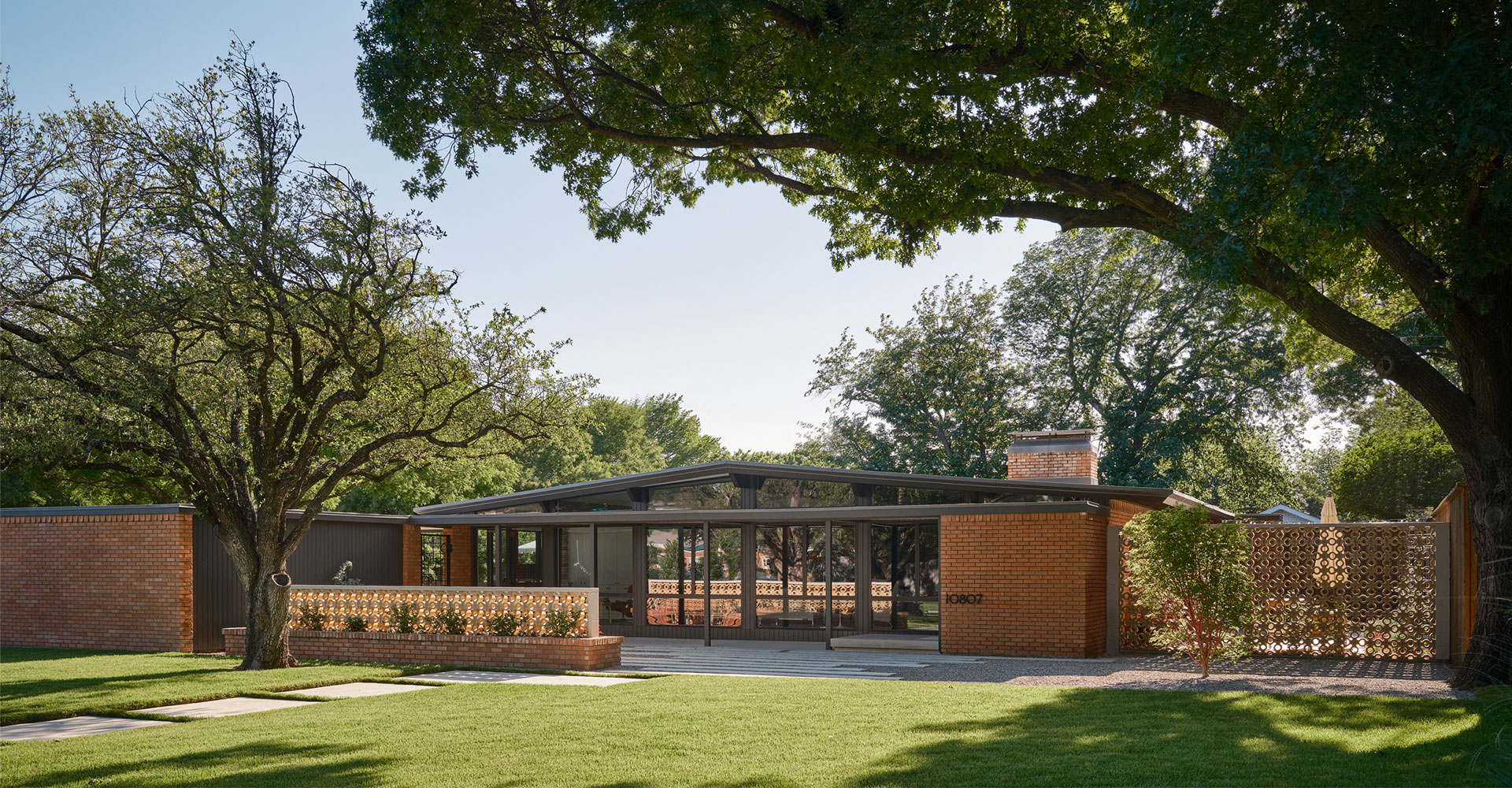
One of the prevailing beliefs surrounding modern architecture is that modern buildings always include only components of glass and straight edges. This truly can be viewed as analogous to judging a book by just viewing the spine from across the room. Modern architecture truly didn’t only focus on the exterior designs of buildings. The central notion behind it included aligning buildings with sound, eliminating the elaborate designs of the 19th-century architectural designs. The notion of modern architecture included the use of steel, glass, and cement as methods of revealing honesty, purity, and plainness. These components were always intended for exposure and not disguise.
These issues remain, particularly in the American South, since folks tend to consider modern designs to be boring. In a place such as Dallas, where the sun is particularly strong, these issues may create practical challenges. The design should not only incorporate the clean global aesthetic of modern design but eliminate the compromise that comes with protecting it from the strong sun. As someone who designs modern homes within that particular part of the world, it’s not only important to control the design concept but also to express it. The climate should be an aspect of consideration within that design concept since it may end up being impractical.
Modernism actually had to do with improving society before it became a particular architectural look. The architects who made Modernism were not attempting to make things look beautiful. Modernism had to do with new ways of living. These architects were concerned with the details that count: fresh air, light, cleanliness, and finding easy solutions. These solutions were derived from the functions since the functions were intended to give respect. In that sense, the kitchen design that Schütte-Lihotzky designed for working-class housing in Frankfurt in 1927 can be just as important as the fancy roofs made of concrete. The kitchen design provided working women with an important thing: it provided them with time.
Nowadays, the most modern house designs incorporate that notion regardless of whether it’s obscured by factors such as zoning regulations, energy efficiency considerations, the cost of constructing the house, or the notion of what constitutes a high-quality house. For instance, a house located in Dallas needs more than just being aesthetically appealing since it also needs to deal with the sun’s heat and glare as well as the soil composition that varies depending on the seasons. In that respect, having a glass wall in such a house is more than just an aesthetic consideration. In fact, it needs to function almost like a machine with layers, shade, seals, and vents. The answer to what modernism provides doesn’t reside in aesthetic considerations but in dealing with practical problems.
In Europe, as Josep Maria Montaner states, modern housing functioned well as long as it had the ability to adapt. The housing that survived – such as Casa Bloc in Barcelona and the apartments by Alvar Aalto in Berlin – were successful as they adapted. The ones that didn’t work as well – such as the infamous Robin Hood Gardens in London – were cramped and didn’t change. Life wasn’t always clean, and there wasn’t room for it to evolve. In the Dallas area, the above concept of having an apartment that just won’t change – whether it be to new technology or a moving son – won’t last long. It needs to be ready for whatever may come next.
Then there’s the question of scale. Alright, everything’s bigger in Texas, and that includes the buildings. But it’s not size that fosters the sense of calm in modern design – it’s scale. The most calm spaces are those that feel just right – spaces that have size and height perfectly in scale. When everything’s scaled just right – when the ceiling appears to float at just the right spot or a window aligns perfectly with the horizon – a space just feels like it’s naturally occurring. That subtlety – that subtlety that you almost can’t quite notice – that’s what separates good modern design from the stuff that looks like it’s been forced.
Using materials honestly used to be a matter of standards. Concrete was concrete, and steel was steel. In Dallas, that idea relates to practicality. Materials like limestone, stucco, and metal last longer than fancy, imported materials that can peel and break in the summer heat. A wall that ages nicely is showing its own story. The buildings that last are the ones that can take the sun. They blend into the landscape and weather the changes gracefully.
Modern design should never be simply a matter of being straightforward. Rather, it should reflect an attitude of being precise. The smallest detail counts. The smallest detail can create chaos in design. The builders used to working in such an imprecise manner may have difficulty dealing with such detail. The architects who demand such detail may seem particular. Attention to such detail as that presented above is what it takes to create an atmosphere of peace. If everything is just so, the architecture should become almost invisible. All that should remain of it is an atmosphere. The easy thing to do is to resort to something flashy. The name of modernism has been dragged through the mud by developers who believe that simplism equals cheap. Flat roofs, straight edges, and corner windows now symbolize an easy way of demonstrating maturity. Real modernism contradicts these easy solutions. It requires knowledge of the site and understanding of light.
The size of the house should also be considered. The house should convey that it naturally occupies that spot as if it were the only place it could possibly be. Dallas provides an ideal environment to test these designs. The large size of the city fosters large designs. However, the hot climate of the city comes as a punitive measure for such designs. The ultimate modern designs in these homes do not scream for notice. The designs function well. They leverage the wind and eliminate harsh sun exposure. They conceal objects such as air conditioners. The design of these homes resides in functionality. The modern approach has always been more about making informed decisions – deciding what to exclude, what to simplify, and what to let be. The objective has never been perfection but constructing something that can evolve. The only thing that should define modern home design as better designed is constructing a house that will last not by its design but by its capacity to evolve. The emphasis here is on constructing something practical.
Modern Home Dallas
The Local Modern
Modernism had believed it had the answer to everything. The ones who practiced it were convinced that an architectural design could work anywhere—that it had the power to transcend location. Concrete, steel, and glass were seen as a universal architectural language. The design of a house from Basel could be replicated in Buenos Aires. Similarly, an industrial design from Dessau could be replicated in Detroit. The notion of modernism as an architectural design that carried an imprint of progress influenced the overall optimism of the 20th century.
However, buildings always correspond to definite locations. They deteriorate in various light conditions, inhale varied air, and get affected by varied earth. For instance, a flat roof that appears flawless in Zurich may get damaged during a storm in Texas. Similarly, a glass exterior that appears dazzling in Stockholm may get scorching hot in Dallas. The concept of an international architectural style disintegrates in the face of local environmental exposures.
But now, a hundred years on, modernism is finding its feet again. Architects realize that site isn’t a problem to be solved. Site is the very point of architecture. And that’s creating a movement that I’d like to describe as Local Modern: a return to modernism that’s tailored to the particular atmosphere of each location.
Consider Dallas. In that particular climate, the sun is not kind to the eyes. In fact, it’s strong. The strong sun in that city determines everything about that place—shadows are long, it’s very bright, hot. Houses that thrive in such an environment have managed to deal with the sun as a resource as well as an enemy. Roofing of such houses spreads wide. Windows of such houses are shaded. The courtyards of such houses can manage the heat from the sun above. Inside such houses, sunbeams are either redirected or bent.
The very best homes that exist in the modern world of Dallas aren’t imitations of Europe. They reflect a certain Texan practicality that shields against the elements. The concrete is left raw and unworked. The stucco texture is coarse and porous instead of smooth and high-gloss. The corridors that lead through these homes tend to be narrow and long. The design is evident, but it seems as though they’re ready to compromise.
This approach to design reflects both functionality and a change in the culture. In the past, the skyline of Dallas had been an answer to a challenge—to dazzle with gigantic glass rectangles, dramatic angles, and street fronts that were foreshadowed better on architectural renderings than in the face of actual rainfall. The skyline of Dallas presented the very model of business confidence of the latter part of the 20th century. In housing design, however, a more humble form of modernism prevails.
All of this is occurring within the larger movement in America. Across the Southwest, architects look at the promises of modernism in a new light. In Tucson, modern homes are made to provide shade rather than views. The homes have walls that are thick and openings that are limited. The design keeps it cool inside. This fights against the 110-degree days.
In Santa Fe, modernity combines with tradition. Concrete flows smoothly into adobe architecture. Glass incorporates with earth. Modernity pairs well with the mesas of the desert. This doesn’t create a replica but an extension—a sense that modernity and local styles can coexist. Something of the same feeling is found in new buildings in New Mexico.
This kind of modernism that grew in the South—or hot-climate modernism, as it could also be called—looks very different from the original northern kind. The International Style had fallen in love with repetition: grids, modules, and pristine white surfaces. Repeat, repeat, repeat. The philosophy: efficiency and standardization. But the new modernists realize that sometimes it’s better not to repeat. When you ignore climate, it’s not simplicity—it’s stupid.
Josep Maria Montaner observed that the most successful modern architecture was that which had an ability to change. Failures included public housing estates in Britain post WWII, which were rigid and designed like machines that wouldn’t be able to adjust to life. The same principle can be applied to America’s southern states. Flexibility is an intelligent solution in climates that change. A modern house that lacks an ability to adjust to life’s changes ends up as useless.
That’s what gives Local Modern its resonance. It’s an understanding that leaves behind the dogmatic beliefs of modernism that everything should be suited to the same pattern. The role of the architect here is not that of a visionary but of a detail-oriented individual. In the context of Dallas architecture, it involves understanding the ground it’s on, the wind patterns around it, and the sun’s movement before putting that on paper. The designs should look as if they’re a part of nature.
The human aspect of all of this is important as well. The early modernists liked the idea of light and openness as a way of freeing humanity. Glass represented clarity and eliminated the old notion of clutter. The problem with openness, however, is that it provides nowhere to hide. The modern house in Dallas now offers openness balanced by privacy. Courtyards take the place of large windows, and smaller windows high on walls now eliminate the wall of glass. Privacy now offers an alternative notion of good taste.
Honesty with materials has also become more mature. Mid-century modernists glorified factory-manufactured materials as a statement of modernity. Today’s local modernists incorporate them in a more subtle fashion. Steel remains, but it oxidizes with the landscape. Concrete remains widespread, but it’s blended with local ingredients. Stone comes from local sources rather than being imported. The architecture comes from being abstract to being of the place.
This shift is not only found in homes. In Texas, the smaller public structures such as libraries, shelters, and chapels represent the same principles. The new Lake|Flato designs in San Antonio extend the modern grid system from the buildings into the courtyards and covered walkways. Their steel screens and wood trellises serve more than an aesthetic. They answer heat, light, and wind. The elegance comes from functionality.
In Dallas, there is a limited list of architects who apply similar principles to house design. The architecture is like Mies’s design but with a touch of Texan light. Corners of walls and ceilings touch without additional trim. The openings are precise and limited. The design appears simple and genuine. These houses were designed as much by what they eliminated as by what they incorporated.
Modernism, once the same everywhere, has become local. It picks up the accent of its location. The result might not be as easy to photograph—less shiny, less symmetrical—but it’s smarter. It accepts the tension between ideals and reality.
In the end, Local Modern isn’t a style at all. It’s a way of paying attention. It starts with the idea that architecture must fit its location—that a wall is both beautiful and functional, and that beauty must work with the weather. The universal has given way to the specific, and in that change, modernism finds new life.