North Dallas Architects
Your Local North Dallas Architects
As featured in…


About Manolo Design Studio
We believe that designing and building a custom luxury home is an art that thrives on collaboration. Founded by Manolo, AIA, our studio brings together the best of architecture, design, and construction to create spaces that are not only beautiful but also functional and enduring.
Manolo, a registered architect with a Master’s degree in Architecture and Business Administration, founded the studio after more than a decade of experience in high-end residential design and general contracting. From the Park Cities to greater Dallas, he has honed his skills in delivering exceptional homes tailored to the unique needs of each client.
Every project begins with a deep understanding of your vision. As founder and principal, Manolo is personally involved from the first sketch to the final build, ensuring that every detail is thoughtfully crafted. He believes that design is a seamless blend of intention and action, and it is this philosophy that guides the studio’s approach.
What sets Manolo Design Studio apart is our ability to navigate the challenges that inevitably arise in the complex process of building a custom home. With over 10 years of experience as a general contractor, Manolo is uniquely positioned to address problems before they become setbacks. His expertise in both design and construction allows us to offer practical, creative solutions that keep projects on track, on time, and within budget.
But it’s not just about technical expertise. We take pride in creating a collaborative environment where clients feel heard, understood, and supported throughout the process. We’re not just building homes; we’re building lasting relationships. From the initial consultation to the final walk-through, we’re there to guide our clients every step of the way, ensuring the process is as enjoyable and rewarding as the finished product.
Our design philosophy is grounded in five core principles: Context, Standards, Balance, Discipline, and Mastery. These principles shape every aspect of our work, ensuring that each home we design is a reflection of its surroundings, an example of functional beauty, and a true expression of our clients’ aspirations.
We understand that building your dream home is a personal journey, and we’re here to make that journey as smooth and successful as possible. With a focus on exceptional design, quality construction, and an unwavering commitment to client satisfaction, we create spaces that you’ll love for years to come.
Let’s design the home you’ve always envisioned.
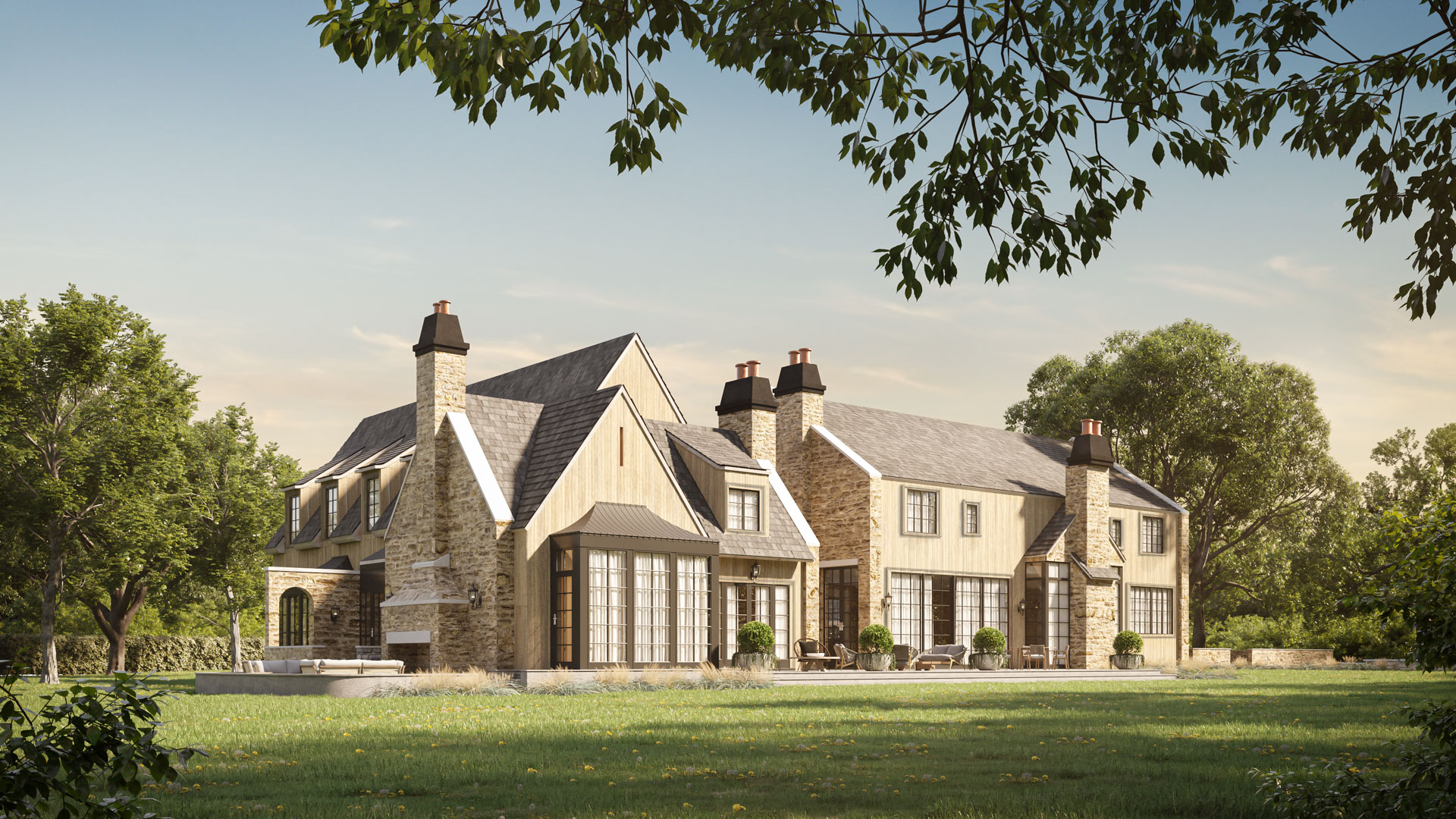
Addison Texas
An architect working in Addison focuses on shaping homes that sit comfortably within a mix of compact lots and established residential streets. The design must manage privacy, circulation, and natural light with care. Materials and massing are selected to feel appropriate for a neighbourhood that blends both traditional and modern influences.
Construction in Addison benefits from clear documentation. Structural spans, window placement, and outdoor connections are coordinated early so the builder can work efficiently. This creates a predictable process and helps the home maintain a consistent architectural character.
Richardson Texas
Richardson includes older homes, mature trees, and neighbourhoods with varied architectural styles. An architect designing here studies shade, orientation, and local scale before shaping the plan. Interiors must feel balanced and calm while responding to the demands of family living.
Richardson projects often involve renovation or careful integration with existing structures. Accurate drawings and structural coordination are essential. When the design and documentation align, the finished home feels coherent and grounded in its surroundings.
Architect Flower Mound Texas
Flower Mound offers larger parcels and strong landscape features, which influence both massing and interior organisation. Architects shape homes around views, natural light, and outdoor living areas. The design must respect the open character of the area while supporting a clear, functional layout.
Homes in Flower Mound often rely on durable materials and simple forms. Early coordination with engineers and builders ensures the structure supports broader spans and deeper outdoor rooms. This results in a home that feels comfortable and confident on its site.
North Dallas Residential Architecture
North Dallas suburban design focuses on clarity, comfort, and long term functionality. Homes are shaped around balanced room proportions, practical circulation, and steady natural light. Architects study the orientation and surrounding homes before developing the layout.
The suburban setting also allows for thoughtful outdoor connections. Porches, patios, and screened areas extend daily living and help regulate heat. Strong documentation supports predictable construction and protects the quality of the finished home.
North Dallas Suburban Design
North Dallas residential architecture depends on proportion, discipline, and an understanding of how families use their spaces. Architects balance open interiors with areas for privacy and quiet. The goal is a home that feels calm, organised, and suited to the local climate.
This work also requires consistent technical coordination. Structural, mechanical, and electrical systems are planned early to support the architecture rather than interrupt it. With complete documentation, builders can deliver the intended design with accuracy.
North Dallas Architects
Contact Manolo Design Studio
If you’re ready to bring your vision to life, we’d love to hear from you.
Whether you’re in the early stages of planning or ready to start designing your custom home, Manolo Design Studio is here to guide you through every step of the process.
Reach out today to schedule a consultation, and let’s explore how we can create a space that is as unique and inspiring as you are. Your dream home starts with a conversation—let’s begin.
We review every enquiry and reply within two business days
FAQs
What defines residential architecture in North Dallas?
North Dallas includes a wide range of lot sizes, mature trees, and established residential streets. Architects focus on proportion, clarity, and comfort, shaping homes that feel grounded in their setting. The work often balances open interiors with calm exterior forms that suit North Dallas residential architecture.
How do architects address suburban conditions in areas like Addison or Richardson?
Addison and Richardson have a mix of compact lots and larger parcels. Architects study light, circulation, and privacy to ensure each home works well with its surroundings. North Dallas suburban design benefits from controlled massing and clear transitions between indoor and outdoor spaces.
Are there specific considerations for designing homes in Plano or Allen?
Plano and Allen often involve newer subdivisions with defined architectural patterns. The architect reviews neighbourhood guidelines, drainage requirements, and local expectations before design begins. The aim is to create a home that fits comfortably within the area while still expressing the client’s needs.
How do architects make North Dallas homes feel open without losing structure?
They use controlled openings, clear alignments, and balanced room sizes. The plan removes unnecessary circulation while keeping the home easy to navigate. Open interiors are supported by strong structural decisions so the space feels calm, not empty.
How important is natural light in North Dallas residential work?
Light plays a major role across North Dallas. Architects study orientation and window placement to bring in balanced daylight throughout the day. Shaded outdoor areas protect interiors from direct sun, while clerestory windows and selective openings improve comfort.
Do North Dallas architects coordinate with builders familiar with the area?
Yes. Local builders understand common soil conditions, drainage patterns, and regional construction standards. When the architect and builder work together through a complete set of drawings, the project remains steady and predictable.
What should homeowners expect at the start of a North Dallas design project?
The architect reviews the site, your goals, and any constraints such as setbacks or tree protection. This leads to concept studies and later detailed drawings. Early clarity reduces changes during construction and helps the project stay on schedule.
Can a North Dallas home feel modern while remaining practical for family life?
Yes. Many families want clean lines and open layouts without losing comfort. Architects balance these goals through proportion, material selection, and sensible room planning. The design stays fresh while still functioning well for daily routines.
How do architects shape outdoor spaces in North Dallas?
Outdoor rooms are designed around shade, privacy, and wind patterns. Even on smaller lots, a modest courtyard or screened patio can improve daily living. The landscape becomes an extension of the home, supporting both quiet routines and larger gatherings.
North Dallas Architects
A Hidden Enclave Where Homes Are Built With Purpose and Proportion
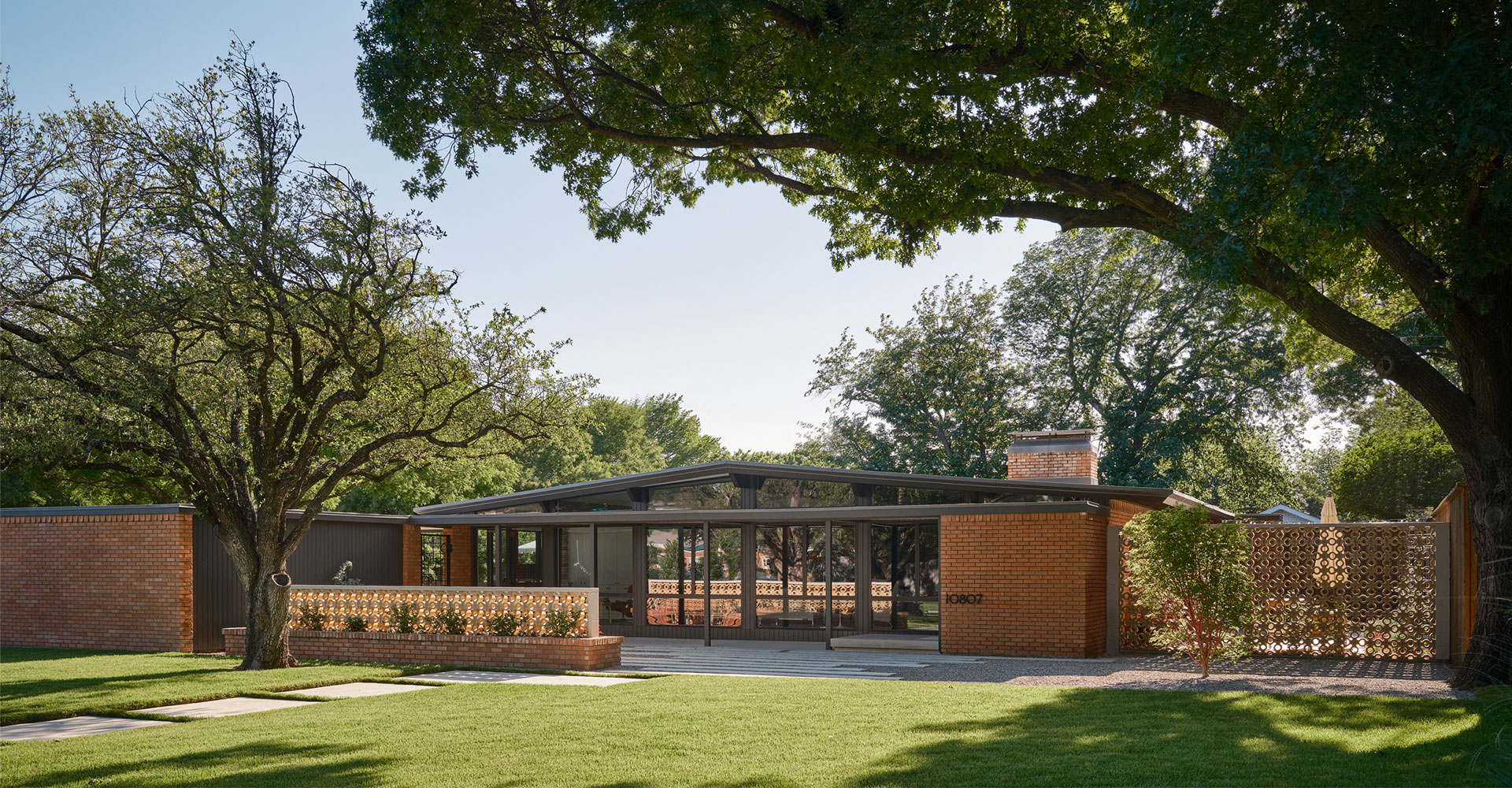
In a city that often celebrates excess, where size is mistaken for luxury and new developments chase trends with reckless ambition, there remains a neighborhood that resists the noise. Greenway Parks.
This is not a place of grand gestures or ostentatious display. It is a place of deliberate design, of quiet elegance, of homes that belong to their surroundings rather than compete with them. It is one of the most thoughtfully planned communities in Dallas, a hidden enclave where architecture is dictated by purpose and proportion, rather than ego or extravagance.
Greenway Parks is a neighborhood designed to be lived in, not just admired from the street. Its homes are not just structures; they are extensions of a carefully composed environment, where scale is respected, green space is prioritized, and the relationship between architecture and nature is as important as the homes themselves.
A Neighborhood Rooted in Intentional Design
Most luxury neighborhoods in Dallas evolved organically, with developers subdividing land into parcels and homeowners filling those parcels with whatever architectural style suited the moment. Greenway Parks, however, was different from the start.
1. The Greenbelt Concept
Inspired by the ideals of the City Beautiful movement, Greenway Parks was designed in 1927 with the idea that homes should not be isolated objects, but parts of a greater whole. The neighborhood was built around a series of shared green spaces, or “greenbelts,” that flow behind the homes, creating a communal landscape rather than individual fenced-off yards.
- Instead of rigid streetscapes, Greenway Parks offers curving roads that follow the land’s natural contours.
- Instead of walls dividing properties, there are expanses of green that connect them.
- Instead of homes that feel walled off from one another, each property has a relationship to the landscape that extends beyond its lot lines.
This is a place where architecture does not dominate its surroundings. It integrates with them.
2. A Legacy of Scale and Proportion
One of the most striking aspects of Greenway Parks is the absence of oversized estates. Unlike Preston Hollow or Highland Park, where homes often feel like individual statements, homes in Greenway Parks follow a shared language of scale and proportion.
- Lot sizes are generous, but homes are rarely excessive.
- Façades are balanced, never overwhelming their surroundings.
- Even larger homes respect setbacks and height limitations, ensuring that no single house disrupts the overall aesthetic of the neighborhood.
The result is a rare balance—homes that feel spacious but never imposing, luxurious but never gaudy.
The Architectural Character of Greenway Parks
The homes in Greenway Parks do not follow a single style, but they share a common sensibility. Whether traditional or contemporary, they are rooted in a respect for proportion, craftsmanship, and simplicity.
1. Traditional Homes That Stand the Test of Time
Many of the original homes in Greenway Parks were built in the Tudor Revival, Colonial, and Mediterranean styles, echoing the architectural language of the early 20th century. These homes are defined by:
- Brick and stone facades that age gracefully.
- Symmetrical proportions that create a sense of harmony.
- Detailed craftsmanship, from custom millwork to iron accents.
Rather than being torn down for new construction, many of these homes have been carefully preserved and updated, ensuring that Greenway Parks retains its historic charm.
2. Modern Homes That Respect the Past
Unlike other high-end neighborhoods where modern architecture often clashes with the surrounding environment, contemporary homes in Greenway Parks are designed to fit within the neighborhood’s existing scale.
- Natural materials like wood, stone, and glass soften the contrast between modern and traditional.
- Flat planes and clean lines respect the proportions of older homes rather than overwhelming them.
- Open floor plans extend into outdoor courtyards, blending interior and exterior spaces seamlessly.
Here, modernism is not an interruption. It is an evolution.
3. The Importance of Craftsmanship
Regardless of style, homes in Greenway Parks share a commitment to craftsmanship. These are not speculative builds thrown together with mass-market materials. They are homes designed to last, built with the care and attention to detail that defines true luxury.
The Role of Landscape in Architectural Design
What truly sets Greenway Parks apart is its relationship between built and unbuilt space. Unlike most Dallas neighborhoods, where fences and hedges define property lines, here, the landscape is just as important as the architecture.
1. Greenbelts as an Extension of the Home
The shared green spaces behind the homes in Greenway Parks are not just passive backdrops. They are an extension of the living environment.
- Many homes are designed with outdoor living areas that blend seamlessly with the greenbelts.
- Patios, gardens, and porches are positioned to take advantage of the shared space rather than being enclosed within private yards.
- Windows and sightlines are oriented to frame views of nature rather than fences or walls.
This creates a sense of openness and connection, making even the most private homes feel integrated with the neighborhood.
2. Trees as a Defining Feature
Greenway Parks is known for its mature tree canopy, which adds scale, texture, and permanence to the neighborhood. Architects designing homes here must consider:
- How to position homes around existing trees rather than removing them.
- How to use tree cover for natural shading, reducing the need for artificial cooling.
- How to integrate landscaping as part of the architectural composition, making homes feel as if they have always belonged to the site.
The result is a neighborhood that feels natural, rather than imposed upon the land.
A Blueprint for the Future of Residential Design
Greenway Parks is more than just a luxury neighborhood—it is a model for how high-end residential design can be both elegant and restrained. As cities become more crowded and space more valuable, the principles that define Greenway Parks—scale, proportion, integration with nature—offer a vision for how future developments can be designed with intelligence and longevity.
1. Luxury Without Excess
Greenway Parks proves that grandeur does not require overstatement. The homes here are graceful, not grandiose, and that is what gives the neighborhood its enduring appeal.
2. Thoughtful Architecture Over Speculative Development
In a city where teardown culture has replaced architectural discipline in many areas, Greenway Parks stands out as a place that values preservation, careful renovation, and site-specific design.
3. A Neighborhood That Understands Its Identity
Many luxury neighborhoods try to be everything at once, incorporating a mix of styles, densities, and aesthetics. Greenway Parks succeeds because it knows what it is—a place where homes are designed with purpose, proportion, and an understanding that true luxury is about quality, not just quantity.
A Legacy of Thoughtful Design
In the rush to build bigger, faster, and flashier, Greenway Parks remains an exception to the rule. It is a neighborhood that proves that the best design is not about excess, but about balance.
Homes here are not monuments to ego, but reflections of place. They are built not just for the people who live in them today, but for those who will live in them decades from now.
Because in Greenway Parks, architecture is not just about shelter. It is about legacy.
North Dallas Architects
The Architectural Language of a Neighborhood Designed for Beauty and Community
Some neighborhoods are simply places to live—collections of homes placed side by side, their designs dictated by zoning codes and developer preferences. Others are something more, shaped by a shared vision that values beauty, proportion, and the relationships between homes, streets, and people. Greenway Parks is one of those places.
Tucked away in the heart of Dallas, Greenway Parks is a neighborhood that resists the impulse toward excess and isolation that defines so much of modern development. Here, the architectural language speaks to harmony rather than competition, to proportion rather than size, and to community rather than seclusion. It is a place where homes are not built to stand alone but to contribute to the fabric of a neighborhood designed with intention.
But what makes Greenway Parks so distinctive? Why does it stand apart from other luxury neighborhoods in Dallas, where private estates often prioritize grandeur over integration? The answer lies in its commitment to beauty as a guiding principle and its unique architectural relationship with the land and its residents.
A Neighborhood Rooted in Architectural Intent
Greenway Parks was never meant to be a typical subdivision. Planned in 1927 by renowned architect David R. Williams, the neighborhood was built on the Garden City Movement, an urban planning philosophy that rejected overcrowding in favor of open spaces and human-scale development.
This philosophy set the foundation for Greenway Parks’ unique architectural identity:
- Homes do not simply sit on individual lots; they engage with shared green spaces.
- Architecture is not about dominance but about integration, ensuring no home overwhelms the neighborhood.
- Natural beauty is not an afterthought but an integral part of the design process.
From the start, the goal was clear: to create a community where architecture and landscape exist in a deliberate, symbiotic relationship.
The Architectural Language of Greenway Parks
Unlike many high-end Dallas neighborhoods, where architectural styles clash and evolve without continuity, Greenway Parks has a cohesive aesthetic, one rooted in proportion, materials, and a respect for historical precedent.
1. A Commitment to Timeless Styles
The homes of Greenway Parks reflect a carefully curated range of styles, all of which prioritize balance and restraint over ostentation. These include:
- Colonial Revival, with its symmetrical facades, grand entryways, and refined detailing.
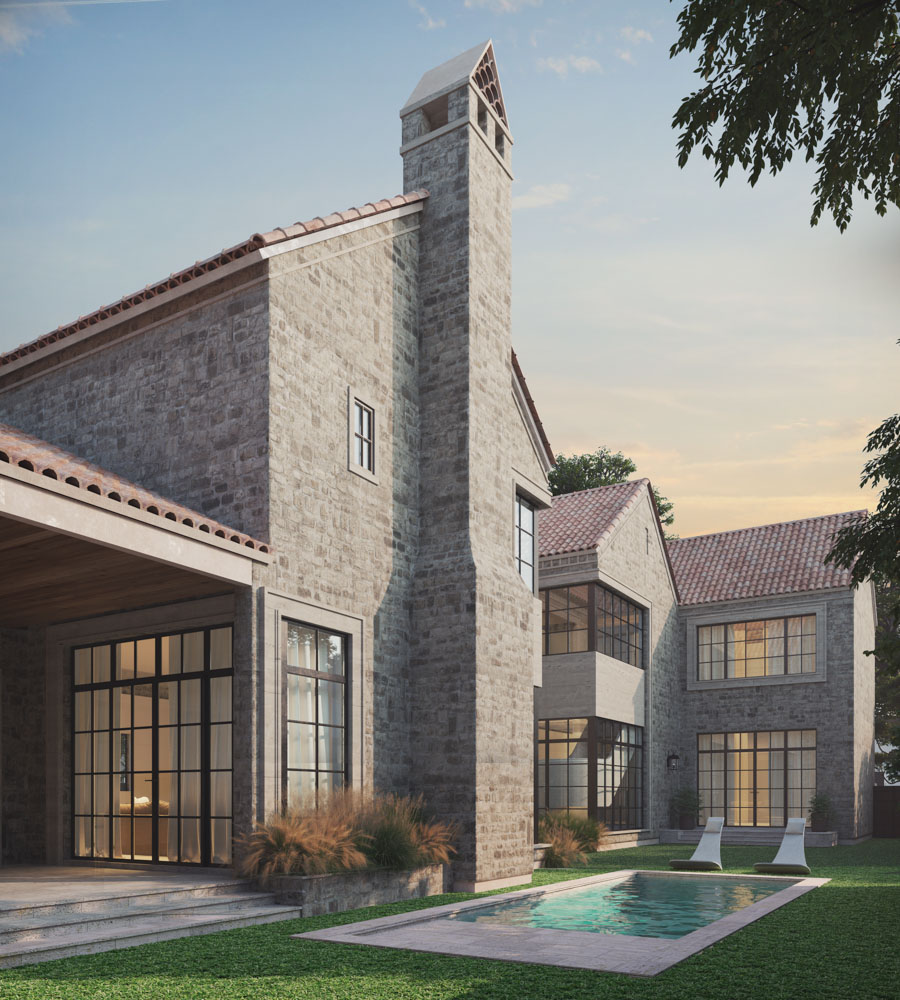
- Tudor Revival, where steeply pitched roofs and brickwork create a sense of history and permanence.
- Mediterranean and Spanish Revival, embracing warm stucco, arched doorways, and terracotta roofs.
Modernist homes, which, unlike the stark glass boxes found in other Dallas neighborhoods, are designed with warm natural materials and a deep respect for scale.
Though the styles vary, they share a common design language—one that emphasizes proportion, materiality, and a sense of belonging within the neighborhood.
2. Proportion as a Defining Principle
In Greenway Parks, proportion matters more than size. Homes here may be large, but they never feel excessive because they follow classical design principles that ensure harmony between structure and surroundings.
- Façades are balanced, not overwhelming.
- Rooflines are thoughtfully scaled, complementing the home rather than dominating it.
- Windows and doors are arranged in rhythmic compositions, creating visual cohesion.
This adherence to proportion is what allows Greenway Parks to feel consistent, even as architectural styles evolve over time.
3. Material Integrity Over Ornamentation
Greenway Parks is a neighborhood that understands materials should not just be beautiful—they should endure.
- Brick and natural stone façades create a sense of permanence.
- Slate and clay tile roofs are chosen for their longevity.
- Custom woodwork and wrought iron details showcase craftsmanship over mass production.
There is an emphasis on authenticity—no artificial finishes, no gimmicky trends, just materials that age gracefully and contribute to the home’s long-term value.
A Neighborhood That Prioritizes Beauty and Function
Many luxury neighborhoods focus on grand statements, massive square footage, and architectural bravado. Greenway Parks takes a different approach, proving that beauty is not about size but about how a home interacts with its surroundings.
1. The Role of Shared Green Spaces
One of Greenway Parks’ most defining features is its network of greenbelts, which weave between homes rather than being confined to public parks or fenced-in yards. These shared spaces create:
- A seamless transition between private and public space.
- A sense of openness, reducing the need for high walls and gates.
- A natural setting for walking paths, informal gatherings, and community interaction.
Instead of isolating homeowners, Greenway Parks encourages connection—not through forced social spaces but through an organic relationship between home and landscape.
2. Landscape as an Extension of Architecture
Greenway Parks homes are not planted onto lots—they are designed with the landscape in mind. Trees, hedgerows, and gardens are not afterthoughts but part of the architectural composition.
- Many homes are built around mature trees, rather than cutting them down to accommodate new construction.
- Outdoor courtyards and patios are placed to extend the home’s livable space into nature.
- Sightlines are designed to frame views of the greenbelts, emphasizing openness rather than enclosure.
This relationship between architecture and environment is what makes Greenway Parks feel like a living, breathing entity rather than a collection of houses.
A Model for Future Neighborhoods
As cities become denser and luxury real estate trends toward enclosed compounds, Greenway Parks offers an alternative vision—one that prioritizes beauty, community, and thoughtful design over unchecked expansion.
1. Proving That Luxury Does Not Mean Excess
In an era where high-end real estate often equates luxury with sheer scale, Greenway Parks reminds us that true elegance is about proportion, not size.
- Homes here are spacious but never overwhelming.
- Architecture is refined, not over-embellished.
- Materials and craftsmanship take precedence over fleeting design trends.
This approach is what gives the neighborhood its timeless appeal.
2. Rethinking How Communities Are Designed
Greenway Parks stands as a model for how neighborhoods can be structured to encourage both privacy and connection.
- Its greenbelts serve as a template for sustainable urban planning.
- Its commitment to proportion shows how high-end development can be done responsibly.
- Its focus on architectural integrity sets a precedent for future luxury communities.
If more neighborhoods followed the example of Greenway Parks, we would have fewer walled-off estates and more environments designed for beauty and livability.
A Neighborhood Built to Last
Greenway Parks is not just another Dallas enclave. It is a testament to what happens when architecture is approached with thoughtfulness, when beauty is valued as highly as function, and when homes are designed to contribute to a neighborhood rather than compete for attention.
It is a place where:
- Homes are built with a sense of belonging.
- Green space is seen as an asset, not an afterthought.
- Architecture reflects purpose, proportion, and enduring elegance.
In a rapidly changing city, Greenway Parks remains a rare example of what is possible when beauty and community are given equal priority.
Because great neighborhoods are not just collections of homes. They are places where design serves a greater purpose.