South Dallas Architects
Your Local South Dallas Architects
As featured in…


About Manolo Design Studio
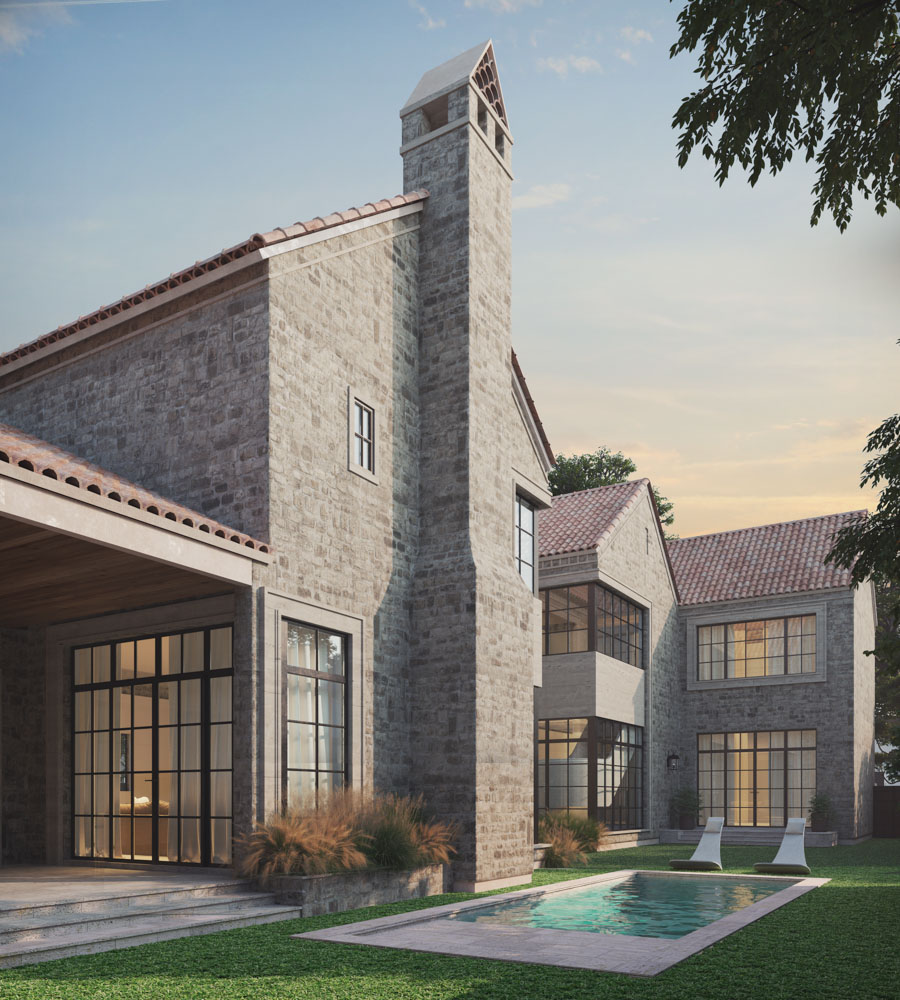
We believe that designing and building a custom luxury home is an art that thrives on collaboration. Founded by Manolo, AIA, our studio brings together the best of architecture, design, and construction to create spaces that are not only beautiful but also functional and enduring.
Manolo, a registered architect with a Master’s degree in Architecture and Business Administration, founded the studio after more than a decade of experience in high-end residential design and general contracting. From the Park Cities to greater Dallas, he has honed his skills in delivering exceptional homes tailored to the unique needs of each client.
Every project begins with a deep understanding of your vision. As founder and principal, Manolo is personally involved from the first sketch to the final build, ensuring that every detail is thoughtfully crafted. He believes that design is a seamless blend of intention and action, and it is this philosophy that guides the studio’s approach.
What sets Manolo Design Studio apart is our ability to navigate the challenges that inevitably arise in the complex process of building a custom home. With over 10 years of experience as a general contractor, Manolo is uniquely positioned to address problems before they become setbacks. His expertise in both design and construction allows us to offer practical, creative solutions that keep projects on track, on time, and within budget.
But it’s not just about technical expertise. We take pride in creating a collaborative environment where clients feel heard, understood, and supported throughout the process. We’re not just building homes; we’re building lasting relationships. From the initial consultation to the final walk-through, we’re there to guide our clients every step of the way, ensuring the process is as enjoyable and rewarding as the finished product.
Our design philosophy is grounded in five core principles: Context, Standards, Balance, Discipline, and Mastery. These principles shape every aspect of our work, ensuring that each home we design is a reflection of its surroundings, an example of functional beauty, and a true expression of our clients’ aspirations.
We understand that building your dream home is a personal journey, and we’re here to make that journey as smooth and successful as possible. With a focus on exceptional design, quality construction, and an unwavering commitment to client satisfaction, we create spaces that you’ll love for years to come.
Let’s design the home you’ve always envisioned.
Cedar Hill Texas
An architect working in Cedar Hill designs for a landscape shaped by hills, mature trees, and protected natural areas. Homes must respond to slope, filtered light, and long views. The plan often includes careful window placement, calm circulation, and outdoor spaces that feel connected to the land without overwhelming it.
Cedar Hill projects also require precise documentation. Structural decisions, grading, and drainage must be resolved early to avoid surprises on site. When these elements are coordinated clearly, the finished home feels grounded and consistent with the natural setting.
DeSoto Texas
DeSoto includes neighbourhoods with varied lot sizes and a blend of traditional and contemporary homes. Architects shape properties with attention to proportion, privacy, and balanced light. The design must feel comfortable for daily routines and consistent with the surrounding area.
Projects in DeSoto benefit from organised documentation that clarifies structure, materials, and mechanical routing. Clear drawings help the builder maintain quality and deliver a home that reflects the intended design. A steady process keeps the project predictable from start to finish.
Duncanville Texas
Duncanville offers established residential streets and a strong sense of neighbourhood identity. Architects designing here study the relationship between the home, the street, and mature landscape features. Interiors aim for clarity and comfort, with layouts that fit family living while keeping rooms well proportioned.
Because many Duncanville homes involve updates or additions, accurate structural and mechanical coordination is important. Clear documentation allows the builder to integrate new work with existing conditions. When the design is handled with care, the final home feels unified.
Midlothian Texas
Midlothian includes open parcels and developing communities with wide views and strong sun exposure. Architects design layouts that balance indoor comfort with outdoor living. Rooflines, shading, and natural light guide early decisions so the home performs well in the Texas climate.
Technical coordination is especially important in Midlothian, where soil conditions and large spans may influence structural design. When the documentation is complete and the engineering is resolved early, construction proceeds smoothly and the home maintains its intended character.
Waxahachie Texas
Waxahachie includes both historic districts and expanding residential areas. Architects study the surrounding context before shaping the plan. Homes often rely on clear massing, balanced elevations, and room layouts that feel comfortable throughout the day. The design must support family living while respecting neighbourhood character.
Whether working on new construction or renovation, Waxahachie projects require thorough documentation. This ensures the builder can manage structure, detailing, and transitions with accuracy. When handled well, the home feels consistent and grounded within the wider community.
South Dallas residential architecture
South Dallas residential architecture responds to a broad landscape that includes wooded areas, sloped sites, and open land. Architects focus on shaping homes that feel well placed, with layouts that support natural ventilation, balanced light, and functional circulation. The design must remain comfortable throughout the year and fit the scale of neighbouring homes.
Strong documentation reinforces this work by clarifying structure, materials, and outdoor connections. When technical decisions are detailed early, construction is more predictable. The finished home carries a steady architectural character and fits naturally into South Dallas County.
South Dallas Architects
Contact Manolo Design Studio
If you’re ready to bring your vision to life, we’d love to hear from you.
Whether you’re in the early stages of planning or ready to start designing your custom home, Manolo Design Studio is here to guide you through every step of the process.
Reach out today to schedule a consultation, and let’s explore how we can create a space that is as unique and inspiring as you are. Your dream home starts with a conversation—let’s begin.
We review every enquiry and reply within two business days
FAQs
What defines residential architecture in South Dallas County?
South Dallas County includes a wide range of landscapes, from wooded areas in Cedar Hill to open land stretching toward Waxahachie. Architects study these conditions carefully and shape homes that feel grounded in the terrain. South Dallas residential architecture values comfort, proportion, and a clear relationship with the site.
How do architects approach projects in Cedar Hill or DeSoto?
Cedar Hill often involves sloped sites and preserved trees, while DeSoto includes more level suburban parcels. Architects adjust layouts to manage light, privacy, and circulation. The design must feel calm inside while responding well to the character of each neighbourhood.
Are there special considerations for homes in Duncanville or Midlothian?
Duncanville and Midlothian offer generous lot sizes and open views. Architects study wind patterns, orientation, and outdoor living possibilities. Careful planning helps create homes that stay comfortable in the Texas climate and feel connected to the landscape without sacrificing privacy.
What drives strong residential design in South Dallas County?
Strong design begins with clarity: balanced rooms, controlled light, and a layout that supports daily living. Architects use thoughtful materials and proportion to keep the home grounded. The result is a design that feels both practical and refined.
How do architects handle sun exposure in this part of North Texas?
South Dallas County receives consistent sun throughout the year, so shading and controlled glazing are essential. Outdoor rooms, deep rooflines, and window placement all help regulate heat. The goal is a home that stays bright without overheating.
Do architects who work in South Dallas County coordinate closely with builders?
Yes. Local builders understand soil conditions, drainage patterns, and typical construction methods in the area. Clear documentation allows them to work efficiently. A coordinated approach reduces changes during construction and keeps the project on track.
Can South Dallas County homes blend traditional and modern elements?
Yes. Many homeowners want a traditional exterior that suits the neighbourhood while introducing a more open and modern interior plan. Architects balance these preferences by refining massing, improving light, and shaping interiors that support daily routines.
What should homeowners expect at the start of a design project here?
The architect reviews the site’s scale, orientation, and any local guidelines. Early concept studies test circulation and massing. Following that, detailed drawings and engineering coordination support a clear construction process. Early structure in the design phase prevents issues later.
How do architects shape outdoor living spaces in communities like Waxahachie?
Outdoor rooms are planned around shade, views, and privacy. Larger parcels allow for screened patios, small courtyards, or covered areas that extend daily living. These spaces help the home feel settled and comfortable throughout the year.
South Dallas Architects
A Community Where Architectural Tradition Meets the Future of Design
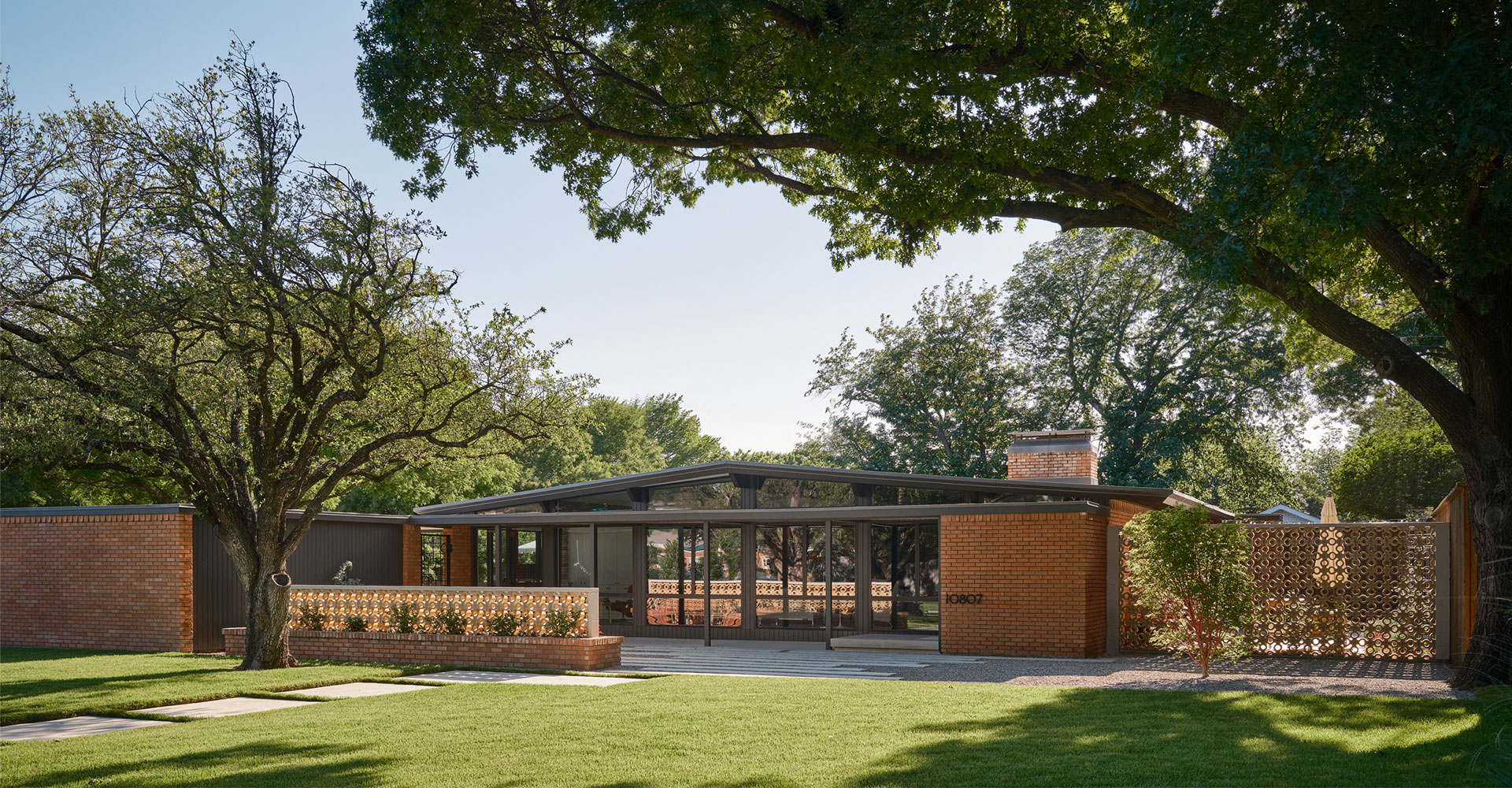
Some neighborhoods seem frozen in time. They’re clinging to the past and refusing to let anything change. Then there are those that head full force into the future but sometimes forget the value of the past. The truly special places seem to get the balance just right. They manage to honor the past while still moving toward the future.
That’s what it’s like in University Park, Texas. The old and new aren’t foes here. They communicate with each other. The old and new mesh with each other in such a way that makes it an even better place to live.
In University Park, you’ll see classic architecture alongside buildings. It just works. As you walk through the tree-lined streets, you’ll pass by grand old homes, homes that have been designed with great care in Georgian fashion, homes that remind you of the Mediterranean, and modern homes that blend in perfectly. The past is not discarded here. It gets an update. The future doesn’t get pushed. It gets integrated.
All of these factors constitute a community that illustrates the possibilities of change without compromising the character of an area.
It Starts With Great Architecture
The history of the University Park area is closely linked to that of the Southern Methodist University. When the university was constructed in 1915, it followed the Georgian Revival architectural pattern. This set the pattern that has been followed within the area. In some parts of Dallas, it appears as though there has been uncontrolled growth. However, the area surrounding the university differs as it follows a planned community pattern. This is reflected in the area’s intellectual and aesthetic coherence that still exists.
A Neighborhood That Cares About Good Design
From the beginning, University Park wasn’t just about putting up houses. It was about creating homes that looked good together.
- The Georgian Revival and Colonial styles of homes establish the character with their symmetrical facades, brick exterior walls, and classic architectural details.
- Tudor-style homes brought a bit of Europe with steep roofs and wood trim.
- Mediterranean and Spanish Revival homes added warmth and charm with stucco walls, red tile roofs, and ironwork.
This architectural unity was planned. This ensured that the area had a sense of being a community, not just an aggregation of structures. The classic architectural principles have thus ensured that the sense of identity of University Park remains strong as it expands.
The Future of University Park
The sense of tradition is important in University Park, but it doesn’t inhibit it. In some neighborhoods that have an historical character, new buildings that go alongside it may seem incongruous. The new homes that you’ll see within University Park rarely seem that way.
Modern Homes That Respect the Past
When new homes are erected in University Park, they do not disregard the classic designs. They simply put a new spin on the classic designs to fit their world.
- You’ll see Georgian and Colonial-inspired homes with clean lines, modern features, but still with those familiar proportions.
- Modern Tudor homes have those steep roofs and natural materials, but with open interiors that let in more light.
- In Mediterranean design, simpler designs retain the warmth and texture of originals.
The most ideal homes that modern-day University Park has seen prove that it’s not an imitation of the old days that define architecture.
Modern Interiors Inside Classic Shells
The change that’s occurring in University Park is seen mostly in the homes. Although the exterior of the homes maintain the original look of the area, the interior of the homes differs totally. Open floor plans, plenty of natural light, and easy access to the outdoors are what you get.
- The classic entries lead to the modern living spaces.
- Classic molds and wood details coexist with modern lighting and surfaces.
- Old homes are equipped with intelligent home devices to increase efficiency while still retaining original character.
Such a blend of both old and new architecture is what makes the University Park such an ideal model for historical districts.
Why University Park’s Changes Work
In an affluent area like the Richland Neighborhood, growth can get carried away with either preservation or radical change. In contrast to this, the changes made in the University Park area happen because the area maintains only a few important concepts:
1. Proportion and Size Matter More Than Style
The houses in the University Park do not have to look exactly alike in order to resemble each other. The important factor here is how they connect.
- Today’s homes also retain conventional sizes of land. As such, uniformity of the street’s character can be realized.
- The rules regarding setbacks and height prevent the area from appearing crowded.
- Architects designing new homes pay attention to the surrounding buildings, creating designs that feel intentional.
This emphasis on size and proportion rather than simply being trendy is the reason that University Park has remained such a long-term success.
2. The Material Has Potential for Longevity
As part of what makes University Park houses unique, the quality of the materials used stands out. Whether classic designs or modern designs, the homes at University Park are made of brick, limestone, slate, and handmade details that improve with age.
- Even in modern homes around the area, materials that can withstand the test of time are used.
- The improvements involve revamping what’s already on the existing site by preserving architectural heritage.
The end result is a community that always appears established and never provisional.
3. New Ideas Should Improve, Not Disrupt
The kind of change that works builds on what has been accomplished. In University Park, new design doesn’t ignore the past – it simply makes it better.
- Sustainable construction practices are being incorporated without compromising on the classic look.
- Smart home solutions now integrated inside older homes in a manner that preserves the homes’ character.
- These new materials are being used in a subtle fashion that combines with the past.
That’s how a neighborhood stays relevant—by changing in a smart way, not just reacting to trends.
A Model for the Future of Home Design
University Park illustrates that architectural tradition can mesh. They need each other.
A home shouldn’t be a museum piece, stuck in time. But it also shouldn’t be so modern that it ignores its surroundings. The best architecture adapts and improves its surroundings.
University Park as an Example
As more communities struggle to balance preservation and progress, University Park offers a guide for how to change thoughtfully:
- Preserve the character of the neighborhood but permit new interpretations.
- Prioritize quality over trends.
- Ensure that new homes reflect the street scene and not merely the taste of the home buyer.
That explains why University Park remains among the most sought-after neighborhoods in the city of Dallas. This area offers more than a rich history. It’s an area that understands how to maintain that history.
A Neighborhood That Respects Its Past and Builds for the Future
Some communities resist change. Others embrace it without thinking. The best places do something harder, more thoughtful, and more meaningful.
They manage to incorporate tradition in a positive way, modernizing without eliminating, designing homes that offer a sense of both timeless and modern qualities.
Because the character of a neighborhood is always in flux. It’s an evolution that takes place over time. And it’s been refined to perfection at University Park.
South Dallas Architects
Why Timeless Homes in a Neighborhood of Scholars Set the Standard for Classic Design
Some places just feel important—like they were designed with care instead of thrown together. University Park, Texas, is definitely one of those places. It’s a neighborhood shaped by classic architecture, a deep connection to nearby Southern Methodist University (SMU), and a shared belief that homes should do more than just exist. They should express a sense of quality that lasts.
SMU, with its stately buildings and manicured lawns, has always played a big role in shaping the character of University Park. While other Dallas neighborhoods have shifted with every new trend, this one has stayed grounded in traditional design. That sense of consistency is part of what makes it so special.
But what is it, exactly, about the homes here that still feel fresh decades later? And why does this area—full of thoughtful design and skilled craftsmanship—continue to set the standard for traditional architecture in Dallas?
A Neighborhood Built on Intentional Design
From day one, University Park was built to be different. It grew alongside a major university—an institution built on history, learning, and timeless values. Those same ideas found their way into the neighborhood’s design.
Unlike areas that grew around industry or retail, University Park was designed with architecture in mind. The houses here reflect the same balance, symmetry, and lasting beauty found in SMU’s historic campus buildings.
How Southern Methodist University Shaped the Look
SMU opened its doors in 1911, and the campus was designed in the Georgian Revival style—known for its order, symmetry, and classical roots. That design philosophy quickly spilled over into the surrounding neighborhood.
Instead of chasing trends, homeowners and builders in University Park embraced the idea of timeless elegance. And it shows:
- Red brick, limestone, and traditional trim are everywhere.
- Home facades focus on balance and proportion, not flashy details.
- Even newer builds feel like they have history built into them.
It’s no coincidence that some of the most admired homes in Dallas are found here.
What Makes Classic Design Endure in University Park
What keeps a home looking good year after year? It’s not luck or following the latest style—it’s rooted in timeless design principles that never go out of fashion.
Why Symmetry and Balance Matter
The most iconic homes—Georgian, Colonial, Neoclassical—are built on mathematical principles. That’s why houses in University Park feel so naturally beautiful:
- Front doors are centered, with evenly spaced windows on each side.
- Rooflines feel just right—not too tall, not too flat.
- Each facade has a quiet rhythm to it—nothing feels random or forced.
This kind of visual balance gives a home a sense of calm and confidence. It makes a house feel permanent.
Using Materials That Age Well
Design isn’t just about how something looks—it’s about how it holds up. In University Park, homes are built with materials chosen to improve over time, not wear out.
- Brick and stone exteriors that stand strong through all seasons.
- Slate or copper roofing that develops character as it weathers.
- Handmade woodwork and iron accents that show true craftsmanship.
These choices say something: this house is meant to last, not be replaced.
Interiors That Prioritize Practical Beauty
Inside, you won’t find oversized, echoing spaces that feel like showrooms. The best homes here focus on flow, comfort, and timeless features:
- Clearly defined rooms that make sense for how families live.
- Ceilings that feel open, but still cozy.
- Classic details like crown molding, wood paneling, and built-in shelves that add warmth and texture.
These homes aren’t designed to impress for a season—they’re meant to feel right for decades.
Why University Park Sets the Standard
While other luxury neighborhoods have gone in every direction—modern, maximalist, experimental—University Park has stayed true to itself. It hasn’t rejected growth. It’s just grown thoughtfully, with its character intact.
Preserving Architectural Heritage
In many places, older homes are torn down to make room for something new. But here, people understand the value of what already exists:
- Restored homes often add more value than brand-new builds.
- Preserving architectural history improves the entire neighborhood.
- Classic design holds value—both financially and culturally.
In University Park, owning a home often means becoming a steward of something important.
Balancing Tradition with Today’s Living
What really makes this neighborhood shine is how it brings old and new together. Modern homes don’t just copy the past—they update it with purpose:
- Open floor plans and natural light inside timeless shells.
- Smart home tech blended into classic interiors.
- Eco-conscious features that don’t take away from charm.
This approach keeps the neighborhood both livable and beautiful—today and for years to come.
A Community That Values Architecture
University Park is home to thoughtful people—families, professionals, professors—people who appreciate good design. So it’s no surprise that architecture here is held to a higher standard:
- Homes are designed to last, not just impress.
- Streets feel planned, cohesive, and respectful of what came before.
- Each home contributes to the neighborhood’s unique identity.
This is where architecture is seen not just as construction, but as a form of expression—and even legacy.
Looking Back While Building Ahead
The best homes aren’t just for the people who build them. They’re for the families who come after, too.
University Park stands as proof that respecting history doesn’t mean staying stuck in it. It’s a place where homes:
- Are built on timeless principles, not passing fads.
- Use quality materials and skilled labor.
- Blend past and present with grace.
That’s why University Park remains one of the most respected and architecturally admired neighborhoods in Texas.
In the end, a home is more than just square footage or curb appeal. It’s a reflection of what we value—and what we hope will last long after we’re gone.