Best Modern Architects
Your Local Dallas Architects
As featured in…


About Manolo Design Studio
We believe that designing and building a custom luxury home is an art that thrives on collaboration. Founded by Manolo, AIA, our studio brings together the best of architecture, design, and construction to create spaces that are not only beautiful but also functional and enduring.
Manolo, a registered architect with a Master’s degree in Architecture and Business Administration, founded the studio after more than a decade of experience in high-end residential design and general contracting. From the Park Cities to greater Dallas, he has honed his skills in delivering exceptional homes tailored to the unique needs of each client.
Every project begins with a deep understanding of your vision. As founder and principal, Manolo is personally involved from the first sketch to the final build, ensuring that every detail is thoughtfully crafted. He believes that design is a seamless blend of intention and action, and it is this philosophy that guides the studio’s approach.
What sets Manolo Design Studio apart is our ability to navigate the challenges that inevitably arise in the complex process of building a custom home. With over 10 years of experience as a general contractor, Manolo is uniquely positioned to address problems before they become setbacks. His expertise in both design and construction allows us to offer practical, creative solutions that keep projects on track, on time, and within budget.
But it’s not just about technical expertise. We take pride in creating a collaborative environment where clients feel heard, understood, and supported throughout the process. We’re not just building homes; we’re building lasting relationships. From the initial consultation to the final walk-through, we’re there to guide our clients every step of the way, ensuring the process is as enjoyable and rewarding as the finished product.
Our design philosophy is grounded in five core principles: Context, Standards, Balance, Discipline, and Mastery. These principles shape every aspect of our work, ensuring that each home we design is a reflection of its surroundings, an example of functional beauty, and a true expression of our clients’ aspirations.
We understand that building your dream home is a personal journey, and we’re here to make that journey as smooth and successful as possible. With a focus on exceptional design, quality construction, and an unwavering commitment to client satisfaction, we create spaces that you’ll love for years to come.
Let’s design the home you’ve always envisioned.
High End Residential Architects
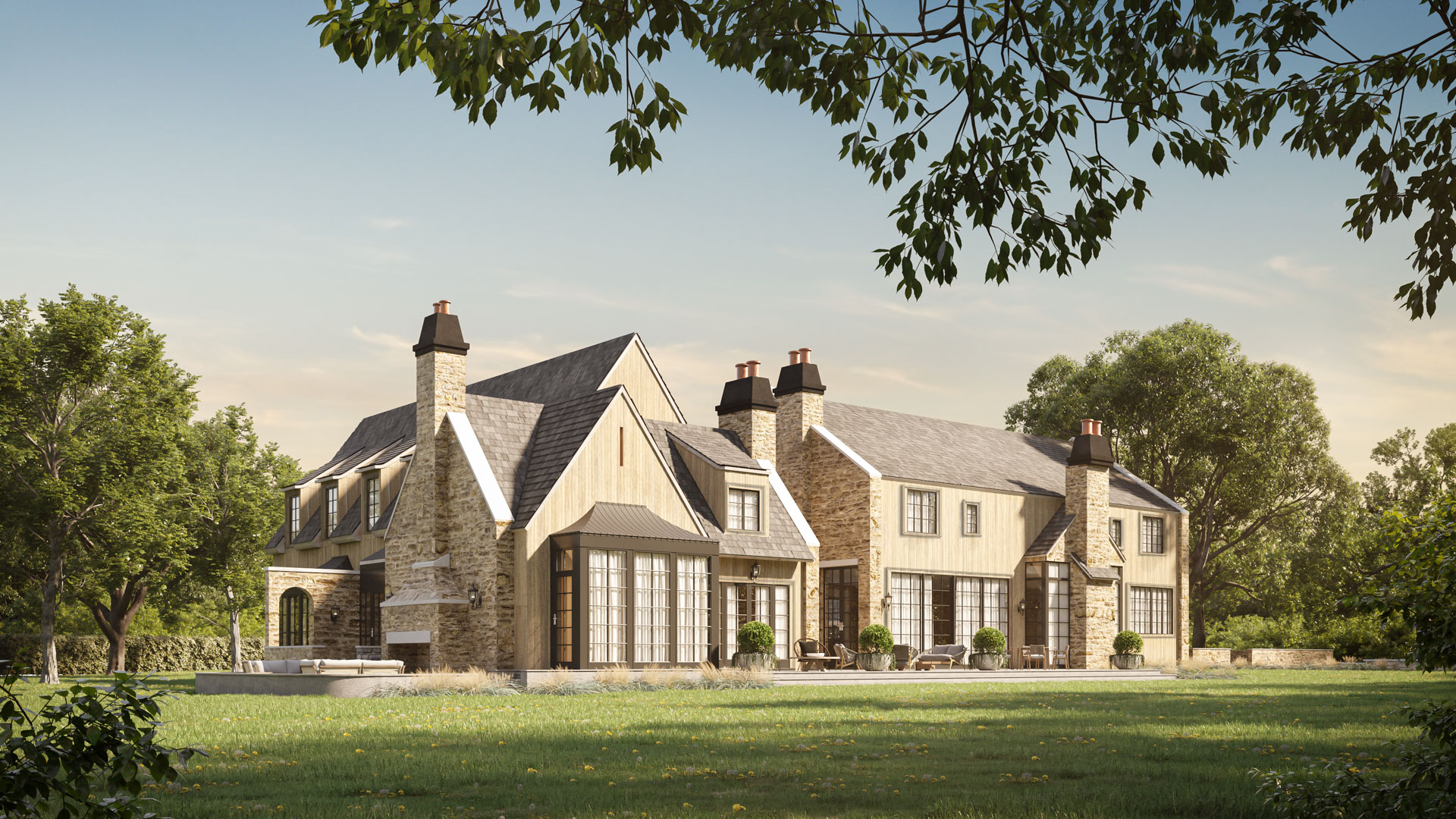
High end residential architects focus on clarity, proportion, and disciplined detailing. Their work begins with a careful study of the site and the way the homeowner lives. Each decision must support comfort and long term performance. The design avoids unnecessary complexity and relies instead on strong structure, balanced light, and a consistent material palette.
These architects also maintain a high standard of documentation. Builders depend on complete drawings to deliver the level of precision expected in this category. When the technical work is resolved early, the home is built with confidence and feels coherent in every detail.
Licensed Architects Texas
Licensed architects in Texas must meet strict education, training, and examination requirements. This background gives them a strong understanding of building codes, climate considerations, and structural coordination. Their work reflects a steady approach to proportion and performance, which is essential in a state with wide variations in soil, heat, and wind.
They also manage the technical and administrative steps of residential design. This includes permitting, engineering coordination, and quality control during construction. A licensed architect provides the level of oversight needed to protect the project and ensure the home is built accurately.
Top 100 Architect Firms
Top 100 architect firms are recognised for consistent design quality and strong technical processes. Their projects show clear planning, careful detailing, and disciplined integration of structure and systems. These firms prioritise communication and documentation, which allows builders to follow the work without confusion.
Although large in scale, top firms rely on focused teams that handle early studies, engineering coordination, and construction support. Their experience in managing complex design challenges benefits residential clients who want a predictable and well guided process from start to finish.
Top Dallas Architecture Firms
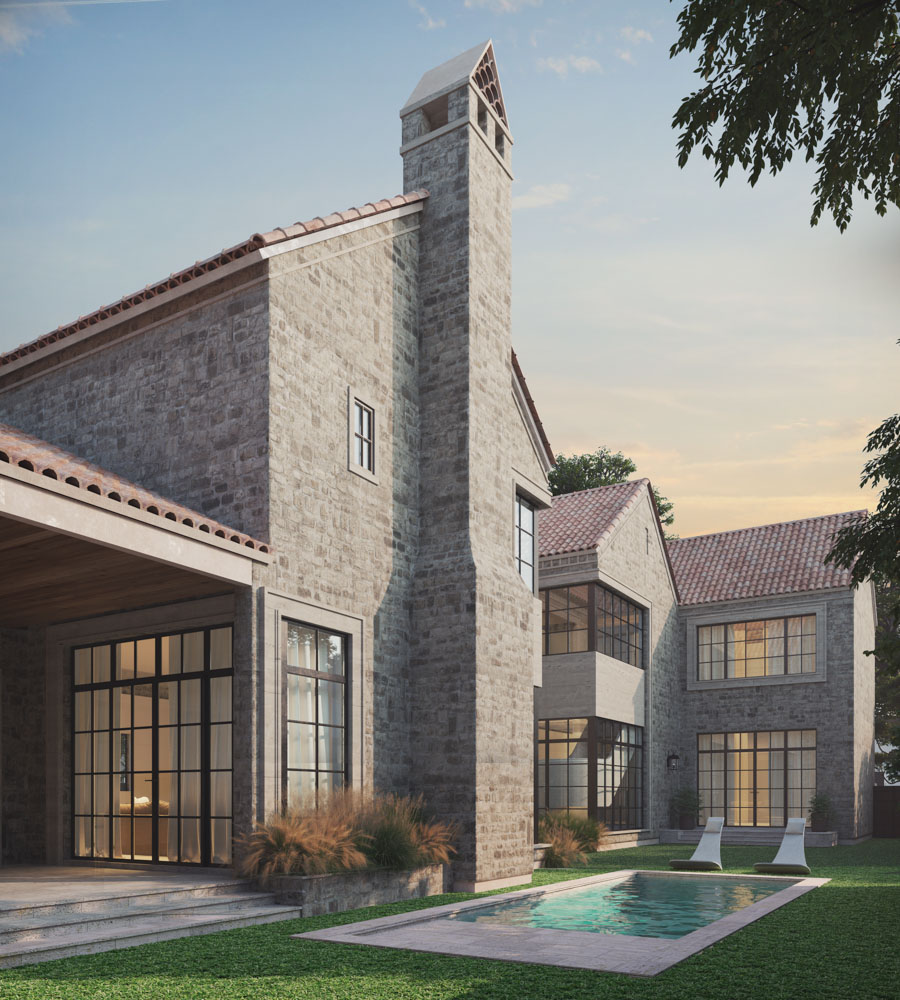
Top Dallas architecture firms understand the nuance of designing in a city shaped by heat, light, and dense neighbourhood patterns. They work with strong control of massing and proportion so homes feel settled on the site. Their designs balance clarity with comfort and align closely with how Dallas residents use their spaces.
These firms also bring a high level of technical coordination. They prepare complete drawing sets, manage engineering input, and support builders throughout construction. This approach reduces risk and produces homes that maintain their quality over time.
Award Winning Residential Architect
An award winning residential architect demonstrates consistent execution, thoughtful planning, and clear architectural intent. Their work shows strong relationships between structure, light, and circulation. Recognition often reflects not only design expression but also the ability to deliver projects that perform well and hold their quality.
Awards also signal a disciplined process behind the scenes. These architects document decisions carefully and manage construction with precision. The combination of design skill and technical control leads to homes that stand out for both function and clarity.
Best Architects in Dallas
The best architects in Dallas combine strong design thinking with a deep understanding of the local environment. Their projects balance proportion, natural light, and durability. They shape homes that feel calm and grounded, responding to the Texas climate with controlled glazing, shade, and efficient layouts.
They also maintain close coordination with builders. Detailed drawings and steady communication help deliver predictable results. Clients benefit from a clear process that supports both creativity and construction quality. This combination defines the best architectural work in Dallas.
Best Modern Architects
Contact Manolo Design Studio
If you’re ready to bring your vision to life, we’d love to hear from you.
Whether you’re in the early stages of planning or ready to start designing your custom home, Manolo Design Studio is here to guide you through every step of the process.
Reach out today to schedule a consultation, and let’s explore how we can create a space that is as unique and inspiring as you are. Your dream home starts with a conversation—let’s begin.
We review every enquiry and reply within two business days
FAQs
What sets the best modern architects apart from standard residential designers?
The best modern architects understand proportion, structure, and the relationship between space and light at a deeper level. Their work shows discipline in every decision. They create layouts that function smoothly and feel calm. They also document their designs with clarity so the builder can deliver the intended result without uncertainty.
How do leading modern architects approach the design of a new home?
They begin with a clear understanding of your priorities and the site. From there, they create a layout that balances openness with comfort. Structure, glazing, and material choices are coordinated from the start. Each step builds toward a home that feels effortless, even though the detailing behind it is precise.
Why does modern architecture rely on strong technical coordination?
Modern homes often use long spans, large openings, and clean rooflines. These features require close coordination with engineers. When the architect leads this process, the structure supports the design rather than interrupting it. Proper coordination keeps the lines clear and protects the integrity of the concept.
Do the best modern architects use a consistent material palette?
Yes. They select a small group of materials that work well together and age gracefully. The palette usually includes stone, metal, wood, and smooth plaster. Consistency allows the architecture to feel grounded and complete. Too many materials can weaken the overall character of the home.
How do top architects use natural light in modern design?
They study orientation, views, and the path of the sun. Openings are positioned to create comfortable light rather than glare. Deep reveals, clerestory windows, and screened outdoor spaces help control brightness. The goal is a home that feels warm and balanced throughout the day.
Are homes by leading modern architects more expensive to build?
The cost depends on detailing and structural requirements. Modern homes appear simple, but the clarity of their lines requires precise work. Strong documentation and early coordination keep the project efficient. When the architect controls these steps, the result is predictable and avoids unnecessary cost.
How do the best modern architects approach the layout of a home?
They remove unnecessary circulation and shape rooms around natural movement. Spaces connect through clear alignments, controlled views, and a simple hierarchy of public and private areas. The plan feels effortless because it is built on careful study rather than decoration.
What should I look for in the portfolio of a modern architect?
Look for consistency, proportion, and attention to detail. Strong work shows a clear understanding of structure, scale, and light. The projects should feel settled and calm, not overly complicated. You should see a disciplined approach across different homes rather than dramatic variation for its own sake.
What is the benefit of hiring a modern architect with local experience?
Local experience helps the architect design for climate, orientation, and regional construction standards. They also know the capabilities of local contractors and how to document the project so it is built accurately. This reduces risk and leads to a smoother construction process.
Best Modern Architects
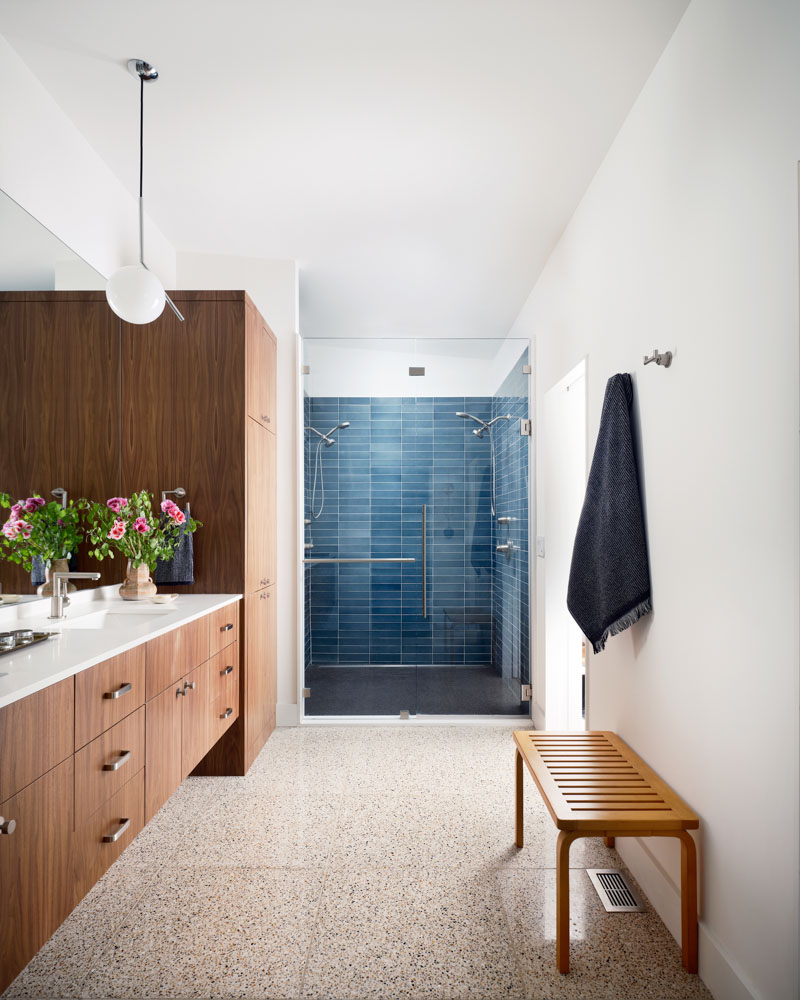
Refined Ranch Meets Open-Plan Creativity
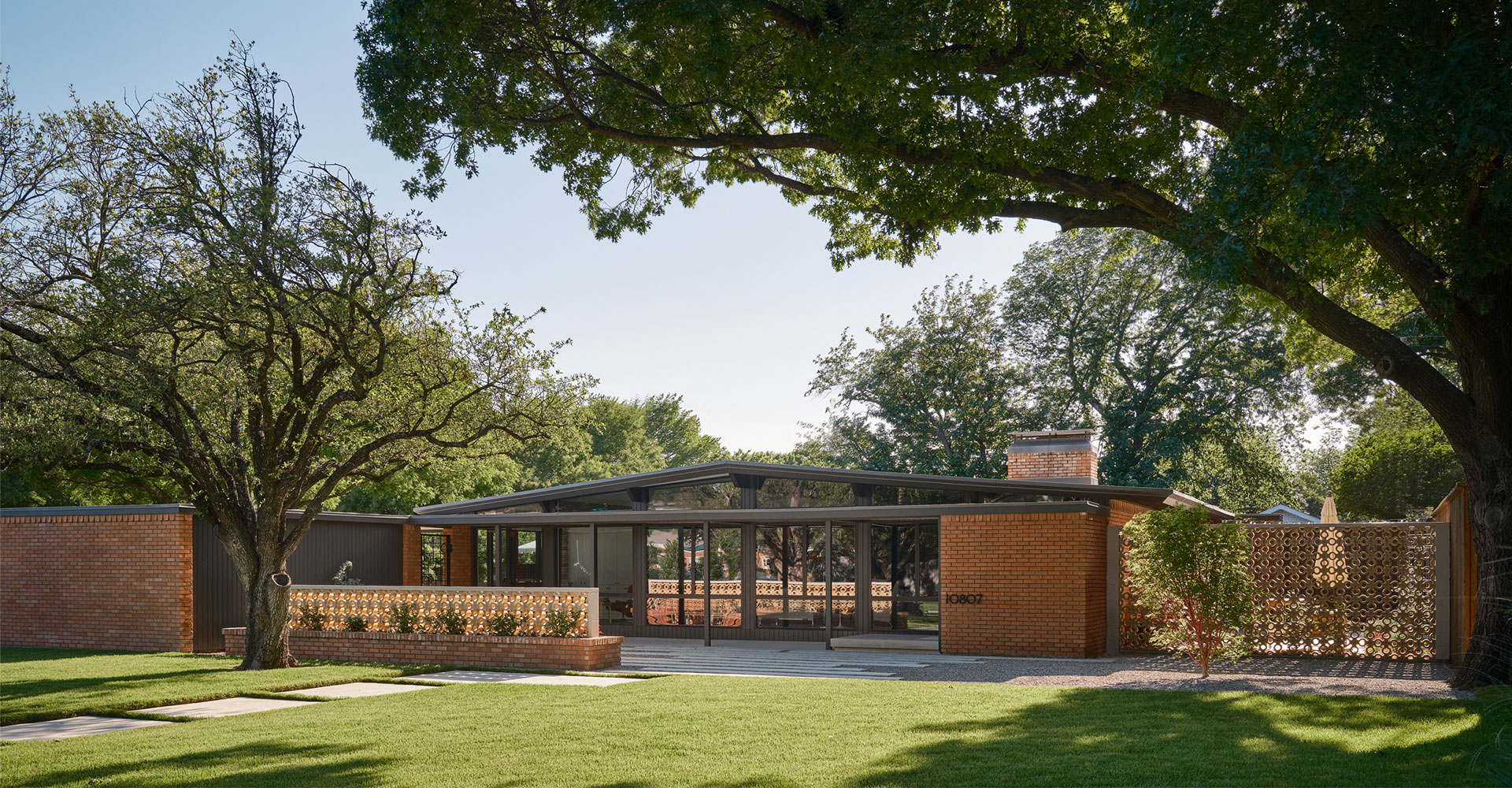
A refined ranch home is a celebration of understated charm and practical design—a style that has long been synonymous with comfortable, single-story living. Yet as modern lifestyles evolve, the traditional ranch is also finding new ways to meet contemporary needs. Today’s design challenges include expanding spaces to foster creativity and connectivity while honoring the solid, time-tested architecture of a ranch. The solution lies in integrating open-plan concepts with the inherent warmth and character of a refined ranch.
A Timeless Foundation with Character
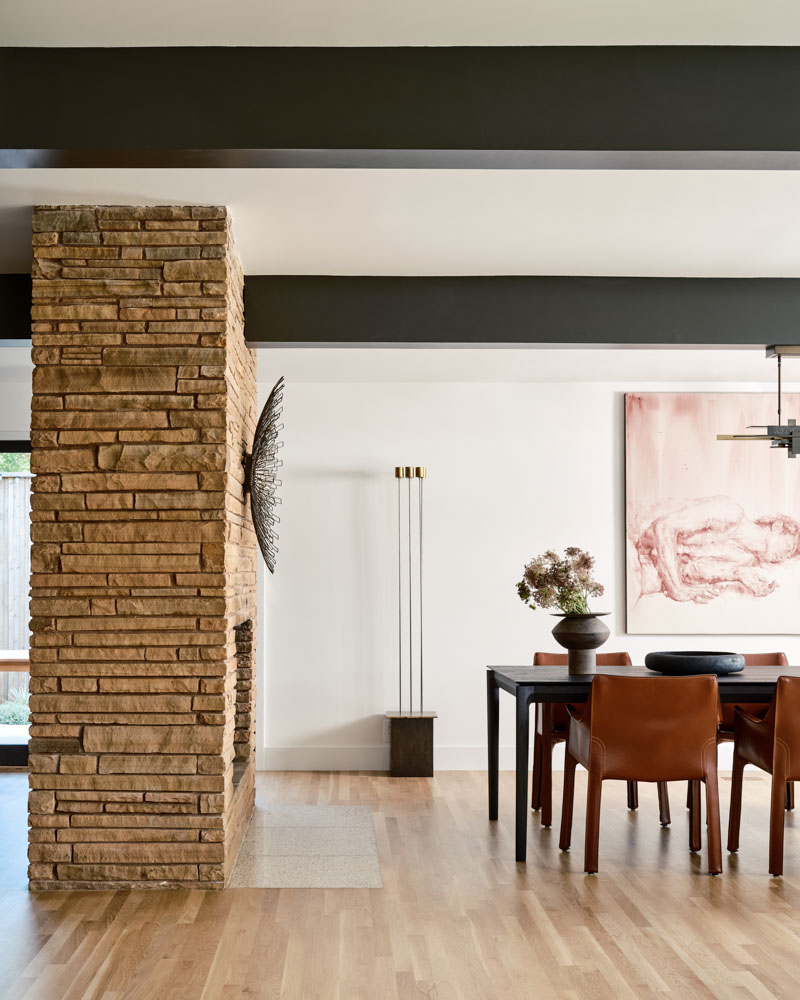
Ranch homes have always been about unpretentious simplicity. With their low-pitched roofs, sprawling layouts, and emphasis on indoor-outdoor living, they offer a sense of ease that is hard to find in multi-story dwellings. The beauty of a refined ranch lies in its classic materials and craftsmanship—exposed wood beams, original hardwood floors, and handcrafted details that have been lovingly preserved over the decades. These elements are not relics to be hidden; instead, they provide a rich, textured backdrop that tells a story of quality and authenticity.
Yet, as families grow and lifestyles change, there comes a need to breathe new life into these traditional layouts. The desire for open spaces that allow natural light to flow, for areas that accommodate both work and play, has led designers to explore creative ways to merge the old with the new. This is where open-plan creativity steps in—transforming rigid, compartmentalized layouts into fluid spaces that encourage interaction and flexibility, without sacrificing the soul of the ranch.
Embracing the Open-Plan Ethos
The trend toward open-concept design has revolutionized residential interiors. In a refined ranch, this means rethinking how rooms connect and function. Removing non-load-bearing walls or repositioning partitions can dramatically open up the living area. The goal is to create a seamless flow between the kitchen, dining, and living spaces—areas where family members can gather, share ideas, and enjoy one another’s company. Expansive windows and sliding glass doors further blur the line between indoors and outdoors, inviting natural light to fill the space and enhancing the home’s connection to its surrounding landscape.
Open-plan interiors also promote a sense of spaciousness and versatility. In a traditional ranch, rooms were often defined by strict boundaries that served the purpose of privacy and order. However, in today’s dynamic households, a more flexible arrangement is often needed. An open layout can accommodate a home office, a play area for children, and a comfortable lounge, all in one continuous space. The beauty of this approach is that it doesn’t erase the identity of the ranch; rather, it elevates it, allowing the home’s inherent charm to shine through a refreshed and adaptable environment.
Design Strategies for Integration
Successfully marrying the refined elements of a ranch with the benefits of open-plan design requires careful planning and a thoughtful approach to materials and layout. One effective strategy is to let the historic features serve as visual anchors within the expansive space. For example, a restored original fireplace or a set of exposed beams can be left intact and highlighted as focal points amid an otherwise open, modern interior. These preserved details create a narrative continuity that ties the past to the present, ensuring that while the space feels light and airy, it remains deeply rooted in its architectural heritage.
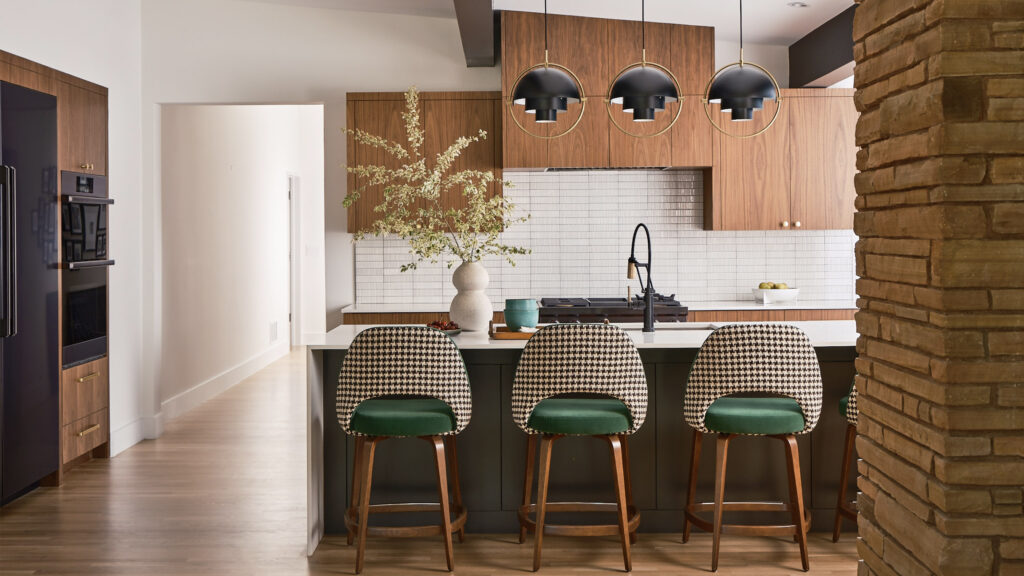
Material selection is another key aspect of this integration. Modern finishes such as polished concrete or sleek, engineered wood can provide a contemporary contrast to classic elements like reclaimed timber or vintage tiles. A neutral color palette—with soft whites, gentle grays, or warm earth tones—helps to unify the space. In this way, modern surfaces don’t overpower the room but instead enhance the beauty of the original textures and details. Accents in bolder colors can be introduced sparingly through artwork, cushions, or decorative pieces to add visual interest without cluttering the space.
Balancing Privacy and Community
While open spaces foster connectivity, it’s also important to create zones of privacy that allow for personal retreat. Even in a single, flowing open-plan area, designers can define functional zones using furniture arrangements, area rugs, or subtle changes in ceiling treatment. For instance, a reading nook might be delineated by a cozy armchair paired with a vintage floor lamp and a soft area rug. This approach maintains the open feel while ensuring that the home accommodates both communal activities and moments of solitude.
This balance is particularly important in multi-generational homes, where different family members have varying needs for interaction and quiet. By designing flexible spaces that can adapt over time—such as using sliding doors or modular furniture—homeowners can create a dynamic environment that evolves with the family’s changing rhythms, ensuring that every member feels comfortable and at home.
Integrating Modern Technology and Sustainability
A refined ranch that embraces open-plan creativity is also a home for the future. Modern technology and sustainable practices can be integrated discreetly to enhance comfort and efficiency. Smart home systems, energy-efficient lighting, and state-of-the-art climate control can be installed in ways that support modern living while remaining visually unobtrusive. For example, automated window treatments can adjust to control natural light throughout the day, while energy-efficient appliances can be seamlessly incorporated into a kitchen that honors its vintage roots. These advancements not only improve the functionality of the home but also contribute to a more sustainable and future-proof design.
Real-Life Inspirations and Practical Applications
Across the country, numerous projects have demonstrated how a refined ranch can be reimagined with open-plan creativity. In one notable renovation, a mid-century ranch was transformed by removing non-essential walls to create a large, interconnected living area. The design preserved original elements such as reclaimed wood beams and vintage lighting fixtures, while new, expansive windows and a modern kitchen updated the space for contemporary use. The result was a home that felt both nostalgic and progressive—honoring its past while providing the flexibility needed for today’s lifestyle.
In another example, an urban ranch underwent a subtle transformation where the interior was reconfigured to allow natural light to permeate every corner. The design team carefully balanced the removal of outdated partitions with the retention of unique architectural details that defined the home’s character. These projects underscore that with thoughtful design, it’s possible to enjoy the best of both worlds: a space that is spacious, modern, and inviting, yet rich in history and personality.
A Vision for the Future
At its core, the integration of refined ranch aesthetics with open-plan creativity is about honoring the past while stepping confidently into the future. It’s a design philosophy that recognizes the value of timeless architectural elements and pairs them with the innovations and flexibility demanded by modern living. In doing so, homeowners create a living environment that is not only functional and sustainable but also deeply personal and evocative.
The journey of transforming a traditional ranch into an open, contemporary space is as much about storytelling as it is about architecture. It is about capturing the essence of a home’s history and reinterpreting it for a new generation—one that values both comfort and creativity, tradition and innovation. With each thoughtful update, the home becomes more than just a structure; it becomes a living narrative that connects generations, celebrates heritage, and embraces the endless possibilities of modern design.
Refined ranch homes have always been celebrated for their timeless charm and comfortable layouts. By merging these classic elements with the expansive potential of open-plan design, homeowners can create spaces that are vibrant, versatile, and true to their heritage. The key lies in a thoughtful integration of restored historical features, modern materials, and innovative design strategies that balance communal openness with personal privacy. As families grow and lifestyles evolve, this harmonious blend not only enriches the living experience but also ensures that the home remains a cherished sanctuary—a place where the beauty of the past meets the creativity of the future in perfect balance.
Best Modern Architects
Rediscovering a Quiet Retreat in the Heart of the Suburbs
In an era marked by rapid urban growth and a constant pace of change, many people are rediscovering the unique appeal of the suburbs—a place where serenity and space come together to create a genuine retreat. Once thought to be merely an extension of the city, the modern suburbs are evolving into havens of quiet comfort. Here, the cacophony of urban life is replaced by the gentle rhythm of nature and the promise of community, offering a sanctuary where families can reconnect and individuals can find a moment of respite.
Embracing the Essence of Suburban Serenity
Suburban neighborhoods have long been characterized by tree-lined streets, expansive yards, and a slower pace of life. The beauty of these areas lies in their potential to provide a peaceful setting while still offering all the amenities of modern living. Rediscovering a quiet retreat in the heart of the suburbs is about more than just location—it’s about creating an environment where every detail, from architectural design to landscaping, contributes to a sense of calm and balance.
Many homeowners are now looking to transform their suburban residences into spaces that feel more like sanctuaries. This transformation begins with a commitment to enhancing natural light, incorporating sustainable design, and using materials that evoke a sense of timeless quality. By focusing on these elements, it’s possible to craft a home that not only reflects the tranquil beauty of the suburbs but also adapts to the needs of modern life.
Designing for Peace and Functionality
A quiet retreat must strike a balance between openness and intimacy. Open-plan living areas are a hallmark of modern design, allowing natural light to flow freely and creating a sense of continuity between indoor and outdoor spaces. However, too much openness can sometimes lead to a feeling of exposure rather than comfort. The key is to design spaces that are both airy and inviting—zones that allow for flexibility and private moments alike.
Consider the living room: a large, unobstructed space that welcomes natural light through expansive windows can be softened by strategic design choices. Soft textiles, carefully chosen furniture, and ambient lighting work together to create areas that feel intimate even within an open layout. A reading nook tucked away in a corner, defined by a cozy armchair and a gentle lamp, can offer a quiet escape from the bustle of daily life. These thoughtful details turn a functional space into a personalized retreat.
Enhancing Outdoor Connections
One of the greatest assets of suburban living is the ability to integrate the outdoors with the interior of the home. A well-designed backyard or garden can extend the living space, offering a natural extension where family gatherings, relaxation, and creative pursuits take place. Expansive patios, pergolas, and landscaped gardens not only add aesthetic value but also serve as practical areas for dining, entertaining, or simply enjoying a quiet afternoon in nature.
Large, sliding glass doors can bridge the gap between indoor comfort and outdoor freedom. When these features are combined with outdoor furnishings that echo the design language of the home, a seamless transition is created. The result is a living environment that is versatile and adaptive—a true reflection of the modern suburban lifestyle where nature and comfort coexist harmoniously.
Sustainable Solutions for a Timeless Retreat
Today’s homeowners are increasingly conscious of sustainability, seeking to create spaces that are not only beautiful and comfortable but also eco-friendly. In the suburbs, this often means selecting materials and technologies that reduce energy consumption while enhancing the overall living experience. Energy-efficient windows, solar panels, and improved insulation are practical upgrades that contribute to lower utility bills and a reduced environmental footprint.
Sustainable landscaping is another key component. By choosing native plants, installing efficient irrigation systems, and creating outdoor spaces that require minimal maintenance, homeowners can enjoy a lush, inviting garden that reflects the natural beauty of the region. These eco-friendly choices are an investment in the future—ensuring that the quiet retreat remains a healthy, vibrant space for generations to come.
Personalizing Your Retreat
The journey to rediscovering a quiet retreat in the suburbs is inherently personal. Every family has its own story, and the design of the home should reflect the unique needs and tastes of its inhabitants. Incorporating personal touches—whether through art, heirloom furniture, or custom décor—can transform a house into a home. A gallery wall of family photos, a collection of vintage finds, or even a handcrafted piece of furniture can serve as a visual narrative that ties together the past and present.
Moreover, flexible spaces that adapt to changing family needs are essential. As families grow and evolve, the home must be able to accommodate a variety of functions. Rooms that serve as play areas for children in the morning might transform into quiet study zones in the afternoon, while communal areas evolve into intimate spaces for gatherings in the evening. The key is to design with adaptability in mind—using modular furniture, movable partitions, and multipurpose rooms that can be easily reconfigured as needs change.
Community Connection and the Broader Neighborhood
A quiet retreat is not solely defined by the interior of a single home; it’s also shaped by its relationship to the surrounding community. Suburban neighborhoods often offer a strong sense of belonging and shared identity, with local parks, community centers, and neighborhood events fostering social interaction. Engaging with these elements—through community gardens, local art installations, or neighborhood gatherings—can enhance the feeling of living in a place that values both individual comfort and collective well-being.
The design of the home should complement and enhance this broader environment. Architectural choices, such as traditional façade treatments paired with modern accents, can resonate with the established character of the neighborhood while offering a fresh perspective. In doing so, homeowners contribute to the preservation and evolution of the community’s identity—ensuring that the quiet retreat is not an isolated oasis but part of a larger, vibrant tapestry.
Embracing a Mindful Lifestyle
At its core, rediscovering a quiet retreat in the suburbs is about embracing a lifestyle that values mindfulness, sustainability, and meaningful connection. It’s an invitation to slow down, appreciate the beauty of everyday moments, and create spaces that nurture both body and soul. This approach to design prioritizes quality over quantity, encouraging homeowners to invest in pieces and materials that have lasting appeal rather than fleeting trends.
Mindful living extends beyond physical spaces; it’s also about cultivating a sense of inner peace. Incorporating elements such as meditation spaces, reading nooks, or even dedicated areas for creative pursuits can transform the home into a holistic retreat. These spaces provide a counterbalance to the pressures of modern life, offering a sanctuary where individuals can recharge and reflect.
A Vision for the Future
The quest to create a quiet retreat in the heart of the suburbs is as much about looking forward as it is about honoring the past. It represents a desire to carve out a piece of tranquility in a world that is constantly evolving—a space that adapts to the rhythms of daily life while remaining a steadfast haven of peace. By blending traditional design elements with modern innovations, sustainable practices, and personalized touches, homeowners can craft an environment that is both functional and deeply nurturing.
This vision is one of balance and harmony—of a home that serves as a foundation for new memories while cherishing the stories that came before. It’s about creating a living space that stands as a testament to thoughtful design, one that honors the beauty of nature, the warmth of community, and the timeless appeal of a well-crafted home.
Rediscovering a quiet retreat in the heart of the suburbs is an invitation to redefine what home means in today’s fast-paced world. It’s about creating an environment that nurtures connection, inspires creativity, and supports a mindful, sustainable lifestyle. Through careful planning, thoughtful design, and a commitment to both tradition and innovation, the modern suburban home can become a sanctuary—a place where the quiet beauty of nature, the strength of community, and the comfort of personalized spaces come together in perfect harmony.
In this renewed vision of suburban living, every element—from expansive windows that capture natural light to thoughtfully designed outdoor spaces that extend the home’s reach—contributes to a lifestyle that is as enriching as it is serene. It is a future where the heart of the suburbs beats with a quiet strength, offering a peaceful retreat for those who seek to slow down, reconnect, and truly feel at home.